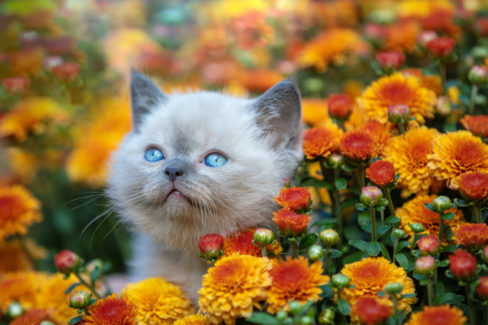
When summer starts winding down and most of your garden favorites are starting to fade, chrysanthemums—or “mums” as we love to call them—finally get their moment to shine. Whether they’re planted in your garden beds or brightening up the porch in decorative pots, these lush bushes bring a much-needed pop of color that keeps that summer vibe alive just a little longer. However, there’s a catch: you need to be a bit careful with certain varieties, as they contain compounds that can be toxic to both people and pets.
Are Mums Poisonous?
The toxicity of this popular fall flower really depends on the variety. Varieties in the *Tanacetum* family are particularly potent because they contain a natural insecticide called pyrethrum. This substance is found in the flowers, leaves, and seeds, and it’s actually used commercially to make bug sprays.
If you have sensitive skin, just touching these plants can cause a nasty rash, so I always recommend wearing gardening gloves when you’re pruning or planting them. Eating any part of the plant is dangerous for humans and animals alike, with kids and pets being the most at risk. If a child happens to ingest part of a mum, keep an eye out for these symptoms:
- Spasms or cramping
- Vomiting
- Blurred vision
- Red blotches on the face
- Stomach or intestinal inflammation
As a quick first-aid step, have them drink plenty of water to help dilute the toxins, but you should definitely head to the doctor immediately to be safe.
Poisoning in Pets
Mums are especially dangerous for our furry (and feathered) friends. This includes:
- Dogs and cats
- Small pets like rabbits and guinea pigs
- Pet birds
- Livestock like cattle, sheep, and horses
In animals, mum poisoning can show up as irritated mucous membranes, lethargy, blindness, or even liver and kidney failure. If you suspect your pet has been snacking on your mums, get them to a vet right away.
If you have curious dogs, cats, or bunnies at home, it might be best to skip the mums entirely or place them in hanging baskets or high spots where they’re out of reach. This goes for both the toxic *Tanacetum* types and even the “edible” varieties. Interestingly, wild birds and insects aren’t affected by the toxins at all!
The Edible Chrysanthemum
Out of the 5,000 known varieties, *Chrysanthemum coronarium* (often called Shungiku or Garland Chrysanthemum) is actually edible for humans. You can toss the leaves and young shoots into salads or stir-fries—they have a unique, slightly bitter flavor that’s fantastic in Asian cuisine. The flowers make a lovely tea, and some people even dip them in batter and fry them up like elderflower fritters. Just remember: even though *you* can eat this specific variety, it is still toxic to your pets!