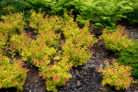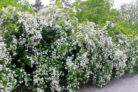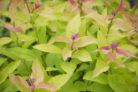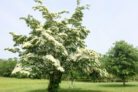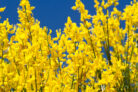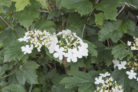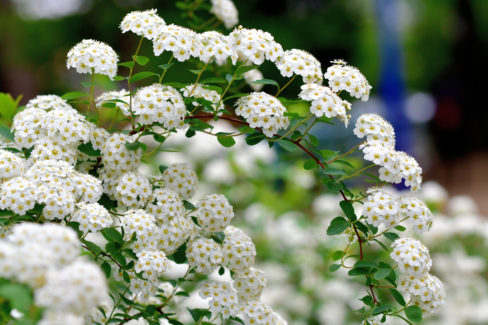
The lush, blooming Spirea (also known as Meadowsweet) is a total garden favorite, bringing a massive pop of color to any landscape. One of the coolest things about these shrubs is that their blooming schedule depends entirely on the variety you choose. Generally, they’re split into two groups: spring bloomers and summer bloomers. Let’s dive into everything you need to know about when these beauties show off their flowers.
Spring Bloomers: The Early Show
As you might have guessed, these Spireas get the party started early in the year. Depending on the specific variety, you can see blossoms as early as April. Some of the most popular spring-blooming types include:
- Garland Spirea (Spiraea × arguta)
- Snowmound Spirea (Spiraea nipponica)
- Himalayan Spirea
While the Garland Spirea kicks things off in April and wraps up by May, the Snowmound variety usually waits until a month later to start its show. If you’re looking for a longer display, the Himalayan Spirea is a rockstar—it blooms for about three months, stretching from May all the way into July.
Summer Bloomers: Keeping the Color Going
We categorize Spireas as “summer bloomers” if they start flowering in June at the earliest. These are the varieties you’ll most commonly see brightening up yards during the warmer months:
- Japanese Spirea
- Steeplebush (Hardhack)
- Billiard Spirea
- Tomentosa (Woolly Spirea)
Both the Japanese Spirea and the Steeplebush typically bloom through June and July. The Billiard Spirea also starts in June but keeps those flowers going strong into August. If you want a late-season boost, the Woolly Spirea doesn’t even start until July, but it stays beautiful well into September.
A Kaleidoscope of Garden Color
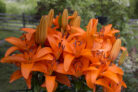
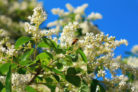
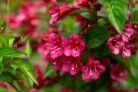
The Spirea isn’t just loved for the *amount* of flowers it produces, but also for the incredible variety. The blossoms grow in dense clusters that can look like delicate umbrellas or fluffy plumes. There’s a color for every aesthetic, too—ranging from a crisp, clean white and soft baby pink to a bold, eye-catching purple. You’ll even find them in various shades of red, making them a real head-turner whether you plant them as a standalone specimen or as a flowering hedge.
Pro-Tip for Maximum Blooms
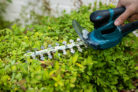
The great news is that Spirea is pretty low-maintenance. However, if you want that “wow” factor every year, regular pruning is a must. Not only does a good trim keep the shrub from getting too leggy or wild, but it actually encourages the plant to produce a much more vigorous flush of flowers next season.