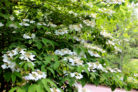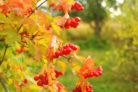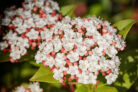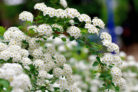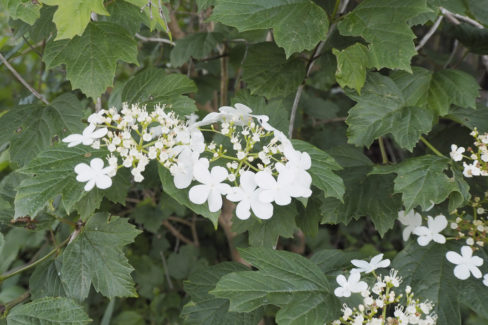
Viburnum (often called Snowball Bush) is a garden favorite, but did you know that different varieties bloom at totally different times? With over a hundred species out there, it can get a little confusing. To keep things simple, you can generally split them into two groups:
- Spring and Summer bloomers
- Late Fall and Winter bloomers
Spring and Summer Bloomers
Most Viburnums show off their blooms during the warmer months. However, the exact start date and how long the flowers last can vary quite a bit. Here’s a look at the most common sun-loving varieties:
Common Snowball (Viburnum opulus)
The European Cranberrybush—or Common Snowball—typically blooms from early May through late August. Once the flowers fade, the plant gets straight to work producing berries, which are a huge hit with local birds.
Fragrant Viburnum (Easter Snowball)
As the name suggests, the “Easter Snowball” usually starts its show right around the holiday. You can expect to see these flowers from the second week of April through mid-May. If you’re lucky, you might even get a second, smaller bloom in the fall!
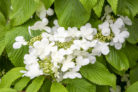
Japanese Snowball (Viburnum plicatum)
The Japanese Snowball is a great example of how much variety there is within a single species. For instance, the ‘Summer Snowflake’ variety can bloom all the way from May to September, while ‘Mariesii’ usually only puts on a show during May and June.
Wayfaring Tree (Viburnum lantana)
Because of its somewhat “unique” (and not always pleasant) scent, the Wayfaring Tree is more common in the wild than in backyard gardens. It typically flowers between April and June.
Fall and Winter Bloomers
Winter-blooming varieties are absolute gems for adding a splash of life to a dormant garden. In many regions, the Laurustinus and the Bodnant Viburnum are the go-to choices for cold-weather color.
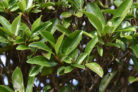
Laurustinus (Viburnum tinus)
The Laurustinus is a real overachiever, blooming from early November all the way through late April. Just a heads-up: it’s only moderately hardy, so it might need a little extra winter protection if you live in a climate with harsh freezes.
Bodnant Viburnum (Viburnum x bodnantense)
The Bodnant Viburnum also brightens up the garden from November to April. Its pinkish-white blossoms are a fantastic way to break up the winter blues and add some much-needed fragrance to the chilly air.