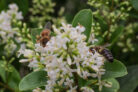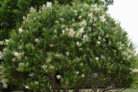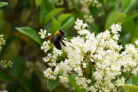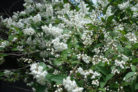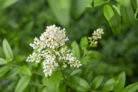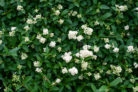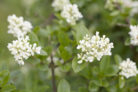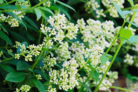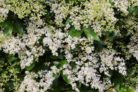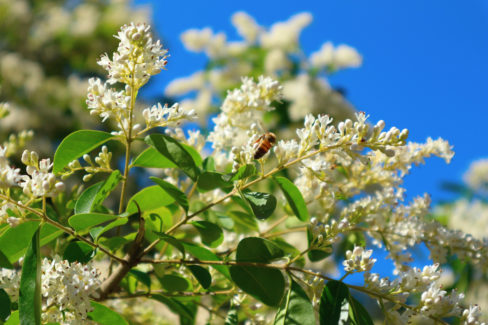
In the summertime, privet (Liguster) puts on a show with clusters of tiny white flowers. Not only do they have a very distinct fragrance, but they’re also a huge hit with our local pollinators. Just keep in mind that the window to enjoy these “scent bombs” is relatively short!
All About Privet Blossoms
Privet produces masses of small white flowers that pack a punch when it comes to aroma. This intense scent is like a dinner bell for beneficial insects, especially:
- Butterflies,
- Honeybees, and
- Bumblebees.
The flowers provide a vital food source for these pollinators, and in exchange, the bugs handle the pollination duties. Once those flowers are pollinated, they’ll transform into small, round berries by the time fall rolls around.
When Does Privet Bloom?
You can expect your privet to start blooming in early summer—usually around June—and the season typically lasts through July. That gives you about a two-month window of floral beauty. The individual flowers open up gradually until the entire cluster is in full bloom, sometimes reaching lengths of up to two and a half inches. Interestingly, there’s no visual difference between the male and female flowers, and they both bloom for the same amount of time.
Throughout the summer, that signature scent can get pretty strong, especially in the evening hours. Once the flowers fade in late July, the heavy fragrance disappears along with them. If you have a sensitive nose, you might want to think twice about the best spot to plant your privet so the scent doesn’t become overwhelming near your patio or windows.
Pruning After the Bloom
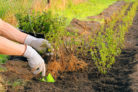
If you’re looking to give your privet a trim, it’s best to wait until the flowering season is officially over. August is usually the sweet spot for pruning. Make sure all the blossoms have withered before you grab your shears; otherwise, you’ll end up cutting off those beautiful active blooms. Also, be careful about pruning privet in the spring—if you cut too early, you’ll snip off the flower buds and miss out on the summer show entirely!
What Happens After the Flowers Fade?
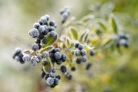
If the insects did their job and pollinated those white blossoms, you’ll see small, dark berries appearing in the fall. A quick heads-up, though: these berries are definitely not for snacking. They are mildly toxic to humans and can cause stomach issues, nausea, or vomiting even in small amounts. Best to leave them for the birds!