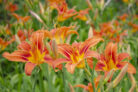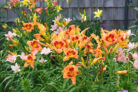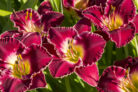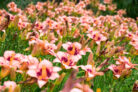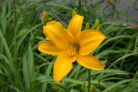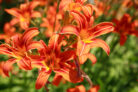
If you’re adding daylilies to your garden, you’re probably dreaming of that explosion of gorgeous, vibrant color. But when exactly does this garden show start? In this post, I’ll walk you through everything you need to know about the daylily blooming season.
The Blooming Season
While lucky gardeners down in Florida might get to enjoy four full months of blooms, most of us in other regions can expect a solid six-week show. The exact timing really depends on which variety you’ve planted. Daylilies are generally grouped into early, mid-season, and late bloomers. Early birds like “Maikönigin” or “Brunette” usually pop up between May and June. Mid-season favorites (think “Morning Light” or “Gentle Ed”) take the stage in July, while the late bloomers like “Ansgar” or “Final Touch” keep the party going from August into September.
Even though daylilies are famously low-maintenance, there are a few tricks to keep them looking their best. If you have varieties with dark blossoms, try planting them in partial shade so the sun doesn’t bleach out those rich colors. You don’t need to worry about fertilizer while they are actively blooming, but do make sure they’re getting plenty of water. Also, keep an eye out for any weirdly swollen buds—that’s usually a sign of the daylily gall midge, and you’ll want to pluck those off right away to keep the pests in check.
Why Isn’t My Daylily Blooming?
Don’t panic if your plant doesn’t wow you with flowers in its first year; sometimes they just need a little time to settle in. However, if you’re still seeing nothing but green in year two, it’s time to play detective. The most common reasons for missing blooms are:
- The wrong location (not enough sun)
- A lack of nutrients in the soil
- Pests or diseases
- The plant is either too old or was recently moved
- Long periods of drought
- Planting too late in the season
- Overcrowding (not enough space between plants)
The good news? Most of these issues are easy to fix. As long as they’re in a sunny to partly-shaded spot with decent soil, they should bounce back. Just make sure they have room to breathe—depending on the variety, you’ll want about 15 to 35 inches of space between plants. From the second year onward, give them some fertilizer through June to fuel that growth. And if an older plant has gotten a bit “lazy,” dividing it (usually after the third year) can often give it the jumpstart it needs to start blooming again.