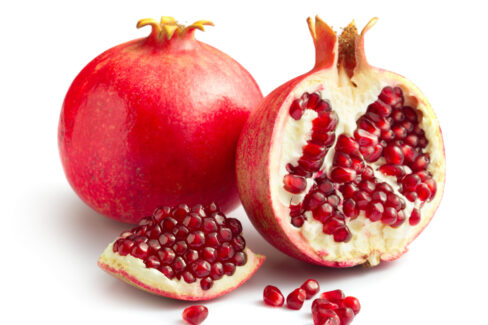
Pomegranates might look tough with that thick, leathery skin, but don’t let that fool you—they won’t stay fresh forever! If you want to get the most out of your harvest (or your grocery store haul), knowing when they’re ripe and how to store them is key.
Fall is Pomegranate Season
Originally hailing from regions like Turkey, the Caucasus, and all the way over to China, pomegranates follow a familiar rhythm. Since these areas are north of the equator, their growing cycle matches up with most of our favorite fall crops. The pomegranate season officially kicks off in autumn, and thanks to smart storage, we can usually enjoy them right through December.
Of course, you’ll see them in stores year-round these days. That’s because they’re also grown south of the equator in places like South America, which keeps the shelves stocked even when it’s off-season here.
Checking for Ripeness
One downside to buying fruit out of season is the long journey it has to take to get to your kitchen. Often, pomegranates are picked too early to survive the trip, which is a bummer for the flavor because pomegranates do not ripen after they’re picked. Once they’re off the tree, that’s as sweet as they’re going to get!
How to spot a perfectly ripe pomegranate:
- The skin gives slightly when you press on it.
- The rind might look a little cracked or leathery (that’s actually a good sign!).
- It makes a slightly metallic “thud” when you tap on it.
The silver lining to the fact that they don’t ripen further? They actually stay fresh much longer than other exotic fruits. If you have a dark, cool spot around 45°F (7°C), your pomegranates can last for a month or even longer. If you leave them out on the counter at room temperature, though, you’ll want to eat them within a week or two.
What to Do with Leftovers
If you’ve already sliced into a pomegranate or found one with a bruised rind, the clock starts ticking. You’ve only got a few days to use it up! Luckily, there are tons of ways to use those vibrant seeds. You can juice the fruit and then boil the juice down into a syrup or pop it in the freezer.
You can also scoop the seeds (arils) out and freeze them whole. Just a heads-up: the fleshy part around the seed usually bursts during the freezing process, so they’ll be a bit juicy once they thaw. They’re still perfect for smoothies or cooking!
And hey, pomegranates aren’t just for eating. If you grow your own and end up with some underripe fruit, you can dry them whole and use them as beautiful, rustic fall decor.