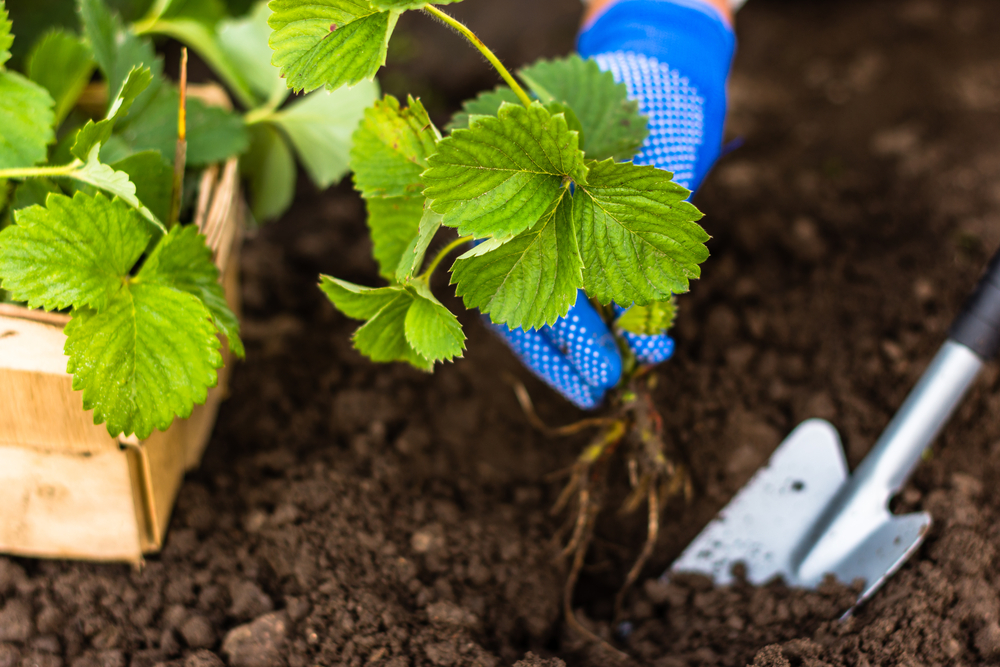
The name says it all: the mock strawberry looks so much like the real deal that it’s easy to get them confused. But don’t let the looks fool you—this is a completely different plant. While it’s incredibly decorative, its resemblance to our favorite garden berry always leads to one big question: can you actually eat it?
Mock Strawberry vs. Garden Strawberry
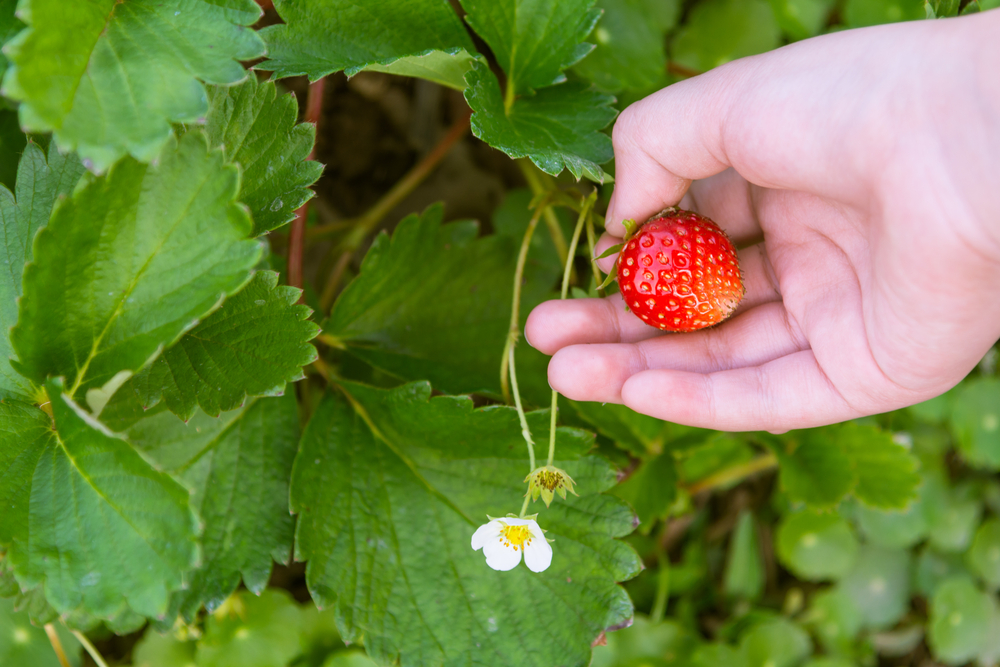
Both of these plants belong to the Rosaceae (rose) family, and technically, both produce edible fruit. However, “edible” is a bit of a stretch when it comes to flavor. If you’re expecting that sweet, juicy burst of a homegrown garden strawberry, you’re going to be disappointed. While mock strawberries aren’t toxic, they are pretty much tasteless.
Most people find them bland or slightly bitter—definitely not something that will have fruit lovers coming back for seconds. Think of the mock strawberry as an ornamental plant. It might not offer much for your taste buds, but it’s a total treat for the eyes! It’s a popular choice for decorative gardens, but you’ll also spot it frequently in the wild because it spreads like crazy via runners.
How to Spot a Mock Strawberry
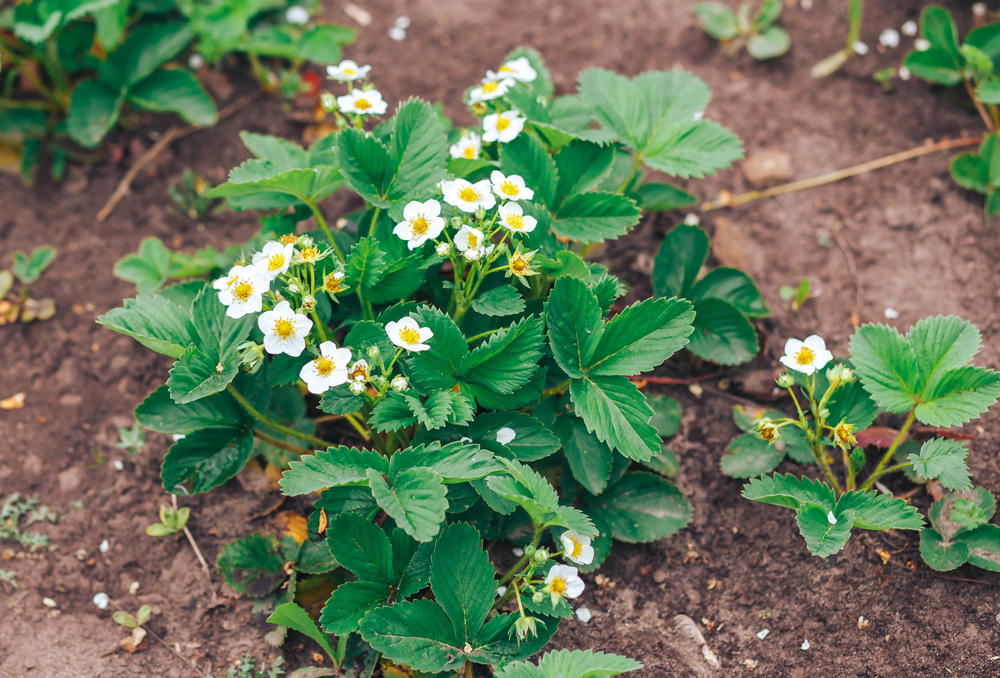
The mock strawberry features delicate, trifoliate leaves that grow in a tidy rosette pattern. Starting in May, it shows off lovely golden-yellow blossoms. If you lean in close, you might even catch a faint, sweet scent. Honestly, it’s worth planting just for the pollinators; those flowers are a magnet for bumblebees and butterflies.
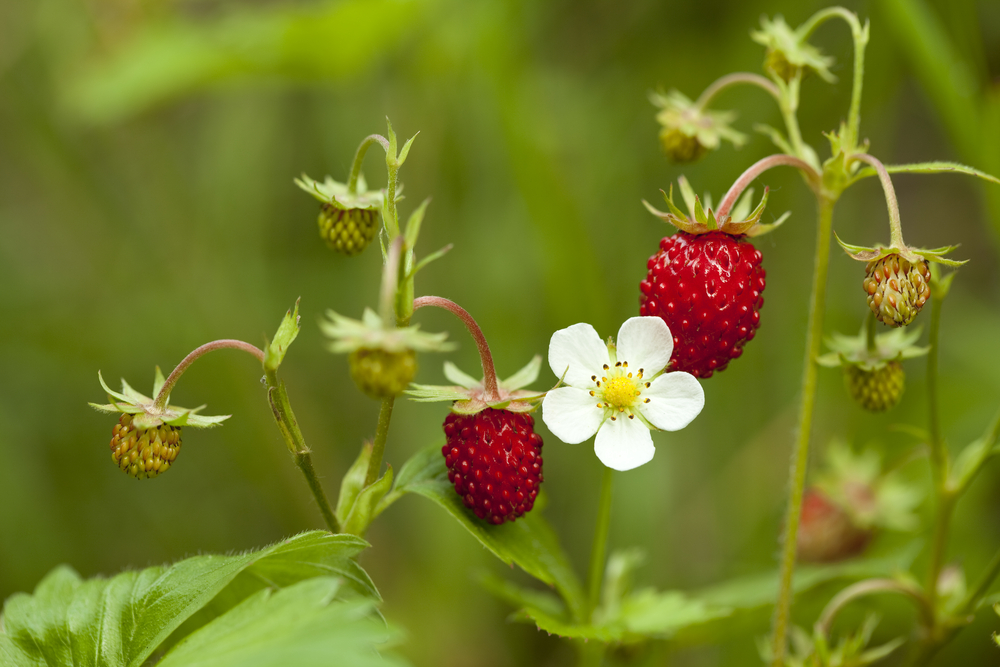
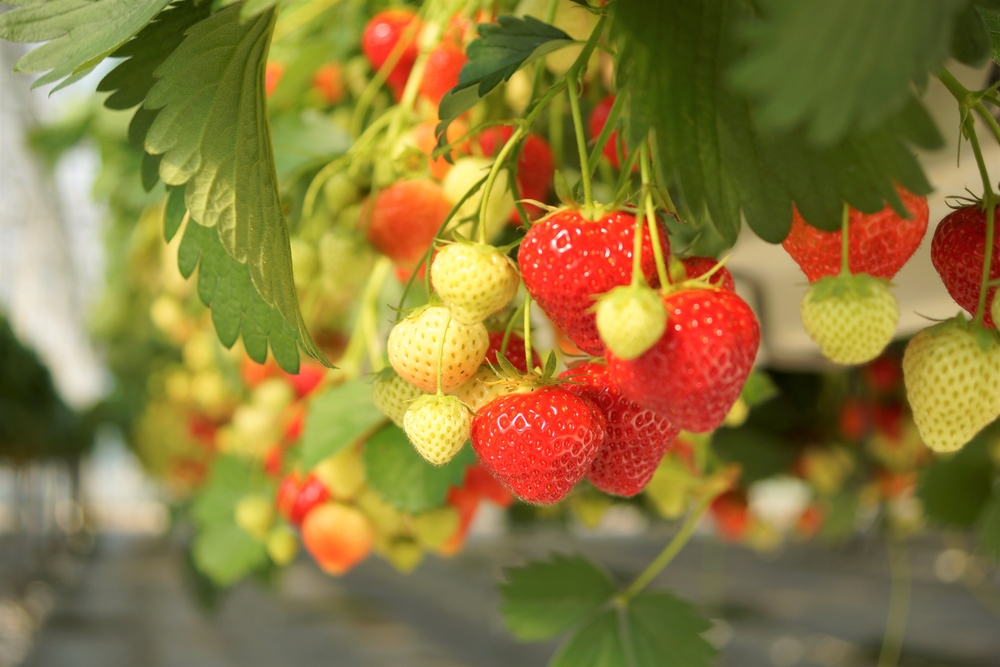
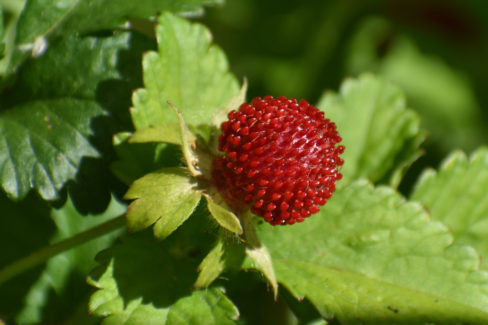
Supporting our local pollinators is so important these days, especially since bees are often struggling to find the right forage. By summer, the plant produces bright red berries that look elegant and vibrant. They look almost exactly like garden strawberries, with one key giveaway: mock strawberries point upward toward the sky, whereas real strawberries always hang downward.
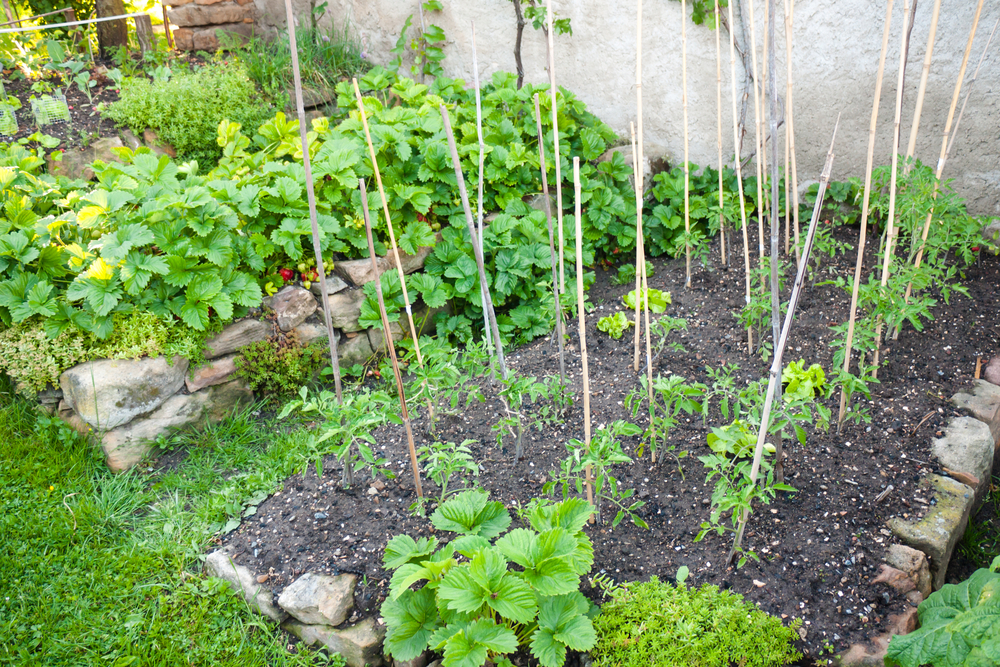
You can find mock strawberries just about anywhere because they aren’t picky at all about soil or location. They even thrive under trees and shrubs, creating a beautiful flowery carpet in shady spots. In your own yard, they make a fantastic groundcover. Plus, they stay eye-catching well into the fall and even early winter, holding onto their foliage much longer than many other plants.