Take a young shoot from just about any plant, pop it into some fresh soil or a glass of water, and let it do its thing. Before you know it, you’ve got a brand-new, identical twin of your favorite plant. Propagating from cuttings really isn’t rocket science! However, you don’t want to go in totally blind. To make sure your new green babies actually take root, there are a few “must-knows”—especially when it comes to making the right cuts. Let’s break down how to get it right.
What Exactly Is a Cutting?
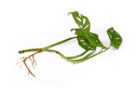
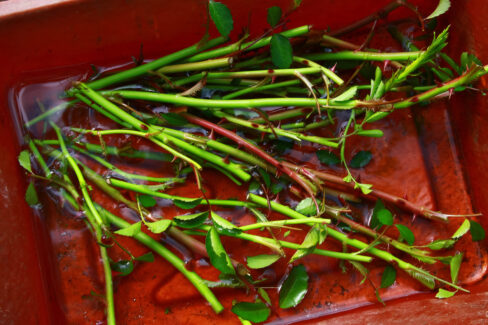
In the gardening world, a “cutting” is just a piece of a plant (usually a stem tip) that you remove to grow a whole new plant. It’s a great way to be resourceful—instead of tossing those trimmings after you prune or shape your plants, use them to expand your garden! You can take cuttings from almost any plant species, though some are definitely easier to root than others. The golden rule? Get those cuttings into water or soil immediately. If they sit around too long, your success rate drops fast.
The Secret Sauce for Success
For a cutting to thrive, it should:
- Have at least one pair of leaves (or at least two individual leaves).
- Not be too soft or “mushy” (which leads to rot).
- Not be fully woody or hard (which makes it tough for roots to break through).
Your Step-by-Step Cutting Guide
Timing is Everything
For most plants, early summer is the “sweet spot” for propagation. This is when plants are pumping all their energy into new growth, which means they’ll root much faster. That said, you can technically take cuttings and pot them up any time of year—you just might need a little more patience in the off-season.
Finding the Perfect Spot to Cut
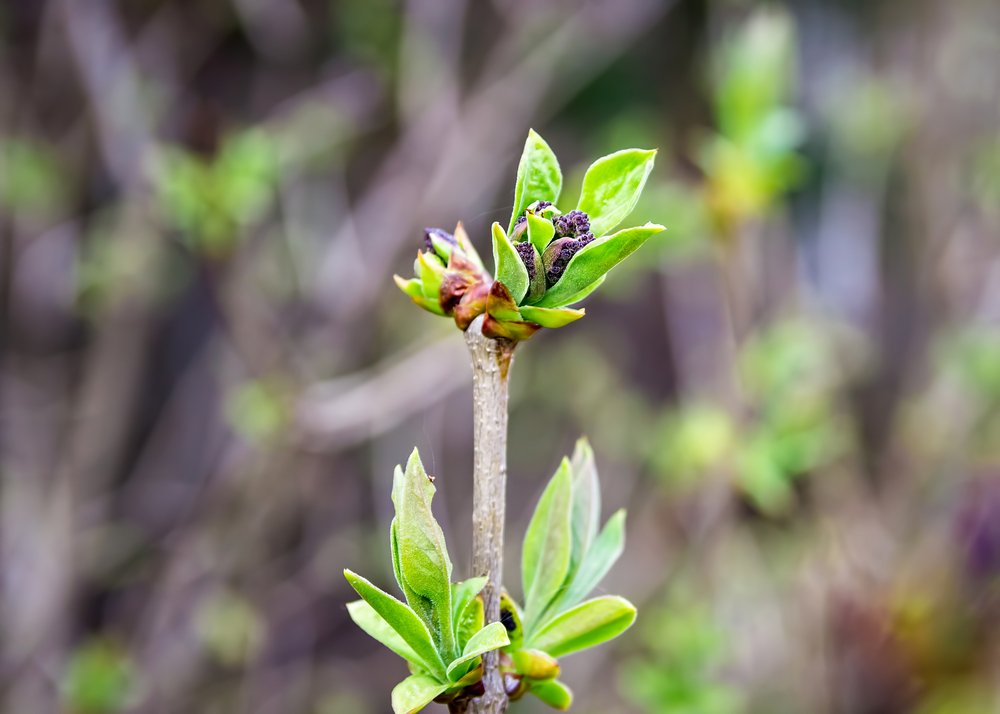
First, look for buds. Sometimes they’re obvious, and sometimes they’re just tiny little bumps on the stem called “nodes” or “eyes.” Think of these as the plant’s power stations. They hold the energy reserves the cutting needs to grow its own roots. You’ll want to make your cut about 1/8 to 1/4 inch (3-5 mm) below a bud or a pair of buds.
If the shoot already has leaves, use the base of the leaf as your guide. Just be sure to leave a tiny bit of “buffer” space so you don’t accidentally damage the growth point on the mother plant.
Pro Tip: Why cut near a bud? This is where the plant stores cambium—special tissue that’s basically a growth engine. It contains the nutrients and hormones the plant needs to kickstart new life.
How Long Should the Cutting Be?
Size depends on the plant. A succulent cutting might only be an inch or two long, while a shrub cutting will be much larger.
In “botany speak,” you’re looking for an internode—that’s the space between two buds or leaf pairs. Your cutting should be at least one internode long to give it enough “leg room” to grow.
The Finishing Touches
If you’re a beginner, you can honestly just stick your cuttings in the dirt and see what happens. But if you want to garden like a pro, there’s a little extra prep that goes a long way.
Once you’ve removed the shoot from the mother plant, it’s easier to handle. Take a sharp knife and clean up the cut. Trim it precisely just below the bud or leaf pair, removing that extra “buffer” bit you left earlier. You can also trim the top of the cutting just above the highest bud to keep things tidy.
The “Wounding” Technique
Some plants, like Rhododendrons or Azaleas, are a bit more stubborn. For these “sensitive” types, a little “wounding” can actually help. Here’s how:
- Take your cutting as described above.
- Strip off the bottom leaves and trim the top leaves in half (this prevents moisture loss).
- At the very base of the stem, opposite a bud, make a tiny vertical slice about 1/4 to 1/2 inch long.
The Science Behind It: Why does wounding work? It triggers the formation of “callus” tissue. This is the plant’s version of a scab. To create this tissue, the plant has to generate new cells rapidly, which also happens to jumpstart root growth.
Quick Tip: If you’re catching the propagation bug, treat yourself to a proper grafting or floral knife. They have a straight, single-bevel blade that makes incredibly clean cuts. And don’t forget the rubbing alcohol! Always disinfect your blade before and after use to keep your plants healthy and disease-free.