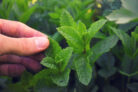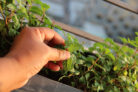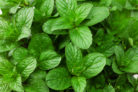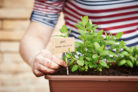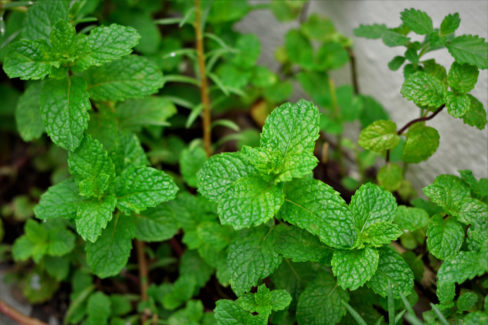
Mint can be a real garden superstar, growing lush and fragrant, or it can look a bit sad and spindly. The secret to success actually starts the moment you put it in the ground. Think of planting as the foundation—get it right, and your mint will have everything it needs to reach its full potential.
It all starts with a little mint plant
You can easily pick up a starter plant at your local garden center or even the grocery store. Just keep in mind that these shops usually only carry one or two common varieties. If you’re looking for something a bit more exotic (like chocolate or pineapple mint!), you might have to do a little hunting online or at a specialty nursery.
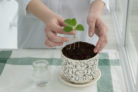
Of course, you don’t *have* to buy a plant; you can also grow your own. If you’re dealing with heirloom varieties, sowing seeds is a great option—just make sure to start them indoors around March. For hybrids, it’s better to use cuttings. Take your cuttings in June right before the plant blooms; you can root them in a glass of water first or plant them directly into their permanent home.
The best time and place to plant
Most mints are hardy and will happily overwinter outdoors as perennials. However, young plants are a bit sensitive to the cold. Wait until after the last frost before moving them into the garden.
When picking a spot, remember that mint isn’t a huge fan of the midday sun. Too much direct heat can cause brown spots on the leaves. Look for a spot with partial shade—under a leafy tree is perfect. This also provides a bit of a buffer against heavy rain and wind. A little morning or evening sun is totally fine and actually encouraged!
If you’re planning to grow your mint in a container on your balcony or patio, the same rules apply. Make sure there’s a shady nook for it, or be ready to provide some artificial shade if the sun gets too intense.
Pro Tip:
Mint likes fresh ground! To keep the soil healthy, follow a four-year crop rotation. This means you shouldn’t plant mint in a spot where another mint plant has lived in the last four years.
Checking your soil
Mint loves soil that can hold onto moisture without becoming a swamp. A good mix of loam and sand is the “Goldilocks” zone for these plants. If your garden soil isn’t quite there, you can mix in whatever is missing. I also recommend working in some aged compost before planting to give your mint a nice nutrient boost.
Planting mint in your garden bed
- Clear the area of weeds and loosen up the soil.
- Dig a hole a good distance away from other plants. The hole should be about twice the size of the root ball.
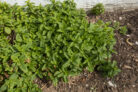
- Fair warning: Mint loves to take over! If you have a variety that spreads via runners, you’ll want to install a root barrier right away.
- Give the root ball a good soak—it makes it much easier to slide the plant out of its nursery pot.
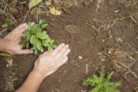
- Place the mint in the center and fill the gaps with soil. Make sure to plant it at the same depth it was sitting in its original pot.
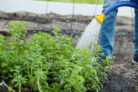
- Give it a generous watering to help it settle in.
- If you have particularly floppy stems, you can tie them to small wooden stakes for support.
- If you’re planting multiple mints, give them plenty of elbow room—at least 20 inches (50 cm) apart.
Pro Tip:
A cheap and easy root barrier? Take a plastic bucket, cut out the bottom, and sink it into the planting hole. Plant your mint inside the bucket “ring” to keep those runners from colonizing your entire yard.
Planting mint in pots
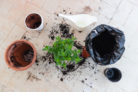
When growing mint in a pot, use a high-quality potting mix blended with a little sand and compost. Make sure your container is at least 12 inches (30 cm) in diameter and has a large drainage hole. Start with a drainage layer at the bottom—expanded clay pebbles, gravel, or broken terracotta shards work great to prevent root rot.