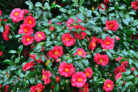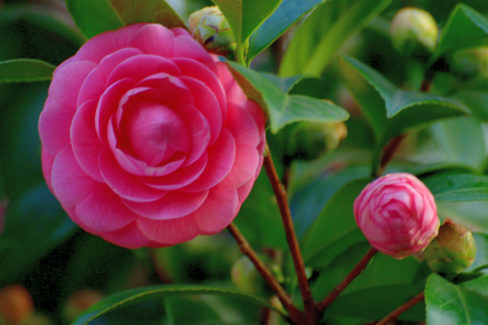
Camellias have a bit of a reputation for being sensitive “divas.” But honestly, if you put one in a spot it hates, you can’t really blame the poor shrub for looking a little sickly! To keep both you and your plant happy, sometimes a change of scenery is necessary.
Do They Really Need to Move?
Generally speaking, camellias are homebodies. They prefer to stay put once they’re settled, so you should only move an established shrub if it’s truly struggling. You’ll know your camellia is unhappy with its current real estate if:
- It stops blooming or produces very few flowers.
- Growth has completely stalled.
- The leaves are discoloring or dropping off entirely.
- The shrub is looking “leggy” or bare.
In short: if your plant looks like it’s just barely hanging on rather than thriving, it’s time to intervene.
Check the “Why” and Find a Better Spot
Before you grab the shovel, do a quick detective work. Make sure the problem isn’t actually a pest infestation. Once you’ve ruled that out, look for a new location that checks these boxes:
- Partial shade: No scorching midday sun in the summer, and ideally no direct morning sun in the winter (which can thaw frozen buds too fast).
- Shelter: A spot protected from harsh, biting winter winds.
- The right soil: Loose, well-draining, and slightly acidic.
- Room to grow: Make sure it has plenty of space for its future size.
How to Transplant Your Camellia
Timing is Everything
The best window to get your camellia back in the ground is from mid-March (after it finishes blooming) through the end of July. Don’t wait much longer than that; the plant needs enough time to establish its roots before the first frost hits.
Handle the Roots with Care
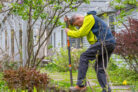
The secret to a successful move is keeping the root ball as intact as possible. Your camellia needs every single root it has to settle into its new home.
If the root ball gets banged up during the move, trim off any badly damaged roots with clean shears. If the root loss is significant, you’ll also need to prune back the top of the shrub. This reduces the amount of water the plant needs while it recovers, so you don’t risk the camellia drying out.
Step-by-Step Guide
- Dig a wide circle around the plant to get as much of the root system as possible.
- For big shrubs: Slide a board or a piece of heavy tarp under the root ball to help move it.
- Drag the plant to its new spot (this is much easier on the roots than lifting and dropping it).
- Dig a new hole that is slightly larger than the root ball.
- If your soil is heavy, add a drainage layer at the bottom to prevent “wet feet.”
- Add a layer of specialized rhododendron or camellia soil to the hole.
- Set the plant in. Pro tip: Make sure it’s at the same depth it was before—don’t bury it deeper!
- Fill the rest of the hole with fresh rhododendron soil (avoid using the old dirt you dug out).
- Give it a very thorough watering.
Aftercare
Keep a close eye on the moisture levels for the first few weeks. If the weather is warm and dry, you’ll need to water regularly. Just don’t go overboard—camellias hate standing water just as much as they hate being bone-dry!