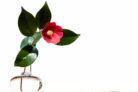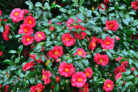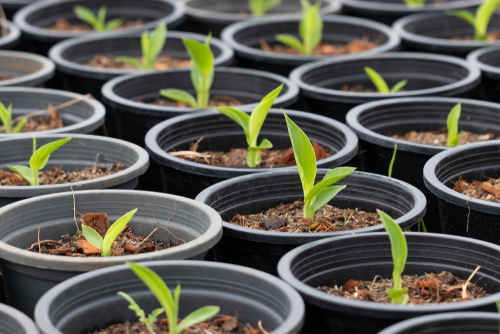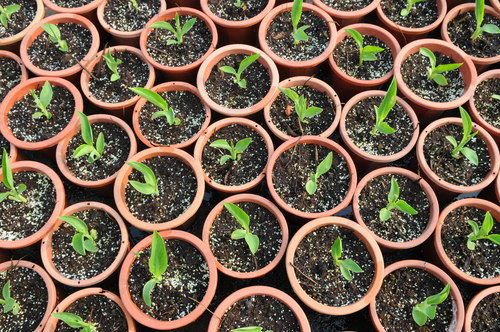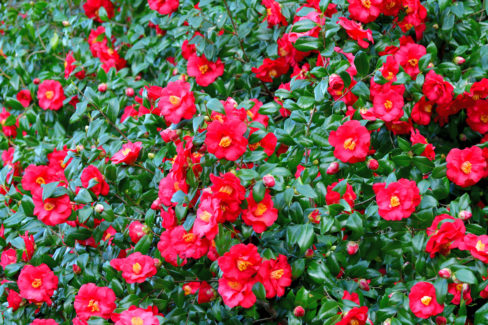
Growing camellias from seed is a total blast for any plant lover! The coolest part about this type of propagation is that you never quite know what you’re going to get—the results can be a wonderful surprise. But before you see those beautiful blooms, you’ve got to get those seeds to sprout.
Harvesting Your Seeds
Camellia seeds are ready for harvest in the fall when the seed pods naturally crack open. You’ll find the dark brown, hard-shelled seeds tucked inside against the center of the fruit. A quick heads-up: these seeds lose their ability to sprout pretty fast, so it’s best to get them in the ground (or your growing medium) right after you harvest them.
Storing Seeds
If you can’t plant them right away, don’t sweat it. Just pop them into a plastic bag with a damp paper towel and stick them in the fridge. As long as that paper towel stays moist, your seeds should stay viable for about a year.
If you store them dry, the plant embryo inside can actually shrink. This lets air get inside the shell, which is why “bad” seeds usually float when you do a water test. While they might still grow, dry seeds have a much lower success rate.
Getting Your Seeds to Sprout
There’s a bit of a debate on whether seeds that haven’t been refrigerated need a “cold treatment” (stratification) to wake up. Honestly, most gardeners find that it doesn’t make a huge difference in how fast or how well they sprout. Just be patient—it can take anywhere from a few weeks to several months to see some action.
How to Plant Them
The “how” is just as important as the “when.” Camellia seeds have a little spot called an “eye”—this is where the seed was attached to the pod. Since the root is going to emerge from near that eye, you want to make sure you place the seed so the eye is facing down toward the soil.
The Best Soil and Planting Depth
Choosing the right substrate is a total game-changer. You’re looking for something that:
- Holds onto moisture
- Lets air circulate (good drainage)
- Is sterile (to avoid nasty fungi)
Many pros swear by Seramis clay granules because they check all these boxes. They’re highly recommended for propagating from seed.
When it comes to how deep to plant them, opinions vary. Seed sellers often suggest burying them about half an inch deep, but many camellia experts suggest simply laying the seeds right on top of the clay granules.
Location and Care
To get those seeds moving, keep them in a warm spot between 72°F and 77°F (22-25°C). Keep your growing medium consistently moist, but be careful not to let it get soggy. Happy growing!