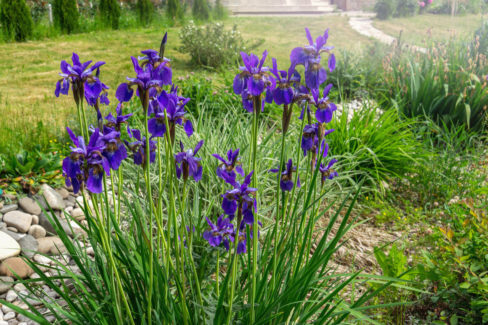
Irises are some of the most rewarding flowers in the garden, and the best part? You can easily propagate them yourself by dividing their rhizomes. Whether you’re looking to expand your flower beds or your plants just aren’t looking their best, there are plenty of reasons why you might need to move your irises around.
Why You Might Need to Transplant Your Irises
There are a few common reasons why you’d want to dig up and move your irises:
- The current spot isn’t working out, and the plant is struggling.
- You want to divide the plant to grow even more irises (my favorite reason!).
Finding the Perfect Spot
While irises are generally pretty easy-going, they can be a bit picky about their location. Different varieties have different preferences when it comes to sun exposure. If they aren’t getting exactly what they need, you might notice they stop blooming or just look a bit stunted.
If your iris isn’t thriving where it is, don’t wait—it’s time to find it a new home in the garden.
Dividing for More Blooms
Another big reason to dig up your irises is for regular division. Iris rhizomes naturally grow and spread over time. If you let them go too long without thinning them out, they can get overcrowded and messy.
By breaking the rhizomes into individual sections and replanting them in new spots, you’re not just getting “free” plants; you’re actually boosting the health and vitality of the original mother plant. It’s a win-win!
How to Transplant Your Irises
Start by using a garden fork to carefully lift the entire mother plant out of the ground. Try to be as gentle as possible to keep the root damage to a minimum. Once it’s out, this is the perfect time to divide those rhizomes.
Next, dig a hole at the new site that’s plenty big enough for the roots. Place the rhizomes in, fill the hole back up with soil, and give them a good, long drink of water to help them settle in.
Prepping the New Home
To give your irises the best start possible, you’ll want to prep the soil beforehand. Don’t just dig a hole—loosen the soil well and mix in some compost or horn meal. This ensures your newly transplanted irises have all the nutrients they need to hit the ground running.
Don’t Forget Your Potted Irises!
If you’re growing irises in pots or containers, they need a little love too. Every so often, they’ll need to be moved into a larger pot with fresh potting mix. Just like with garden irises, you can divide the rhizomes during the repotting process to keep your container garden looking fresh and healthy.