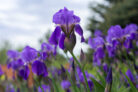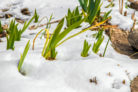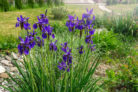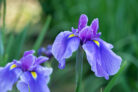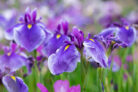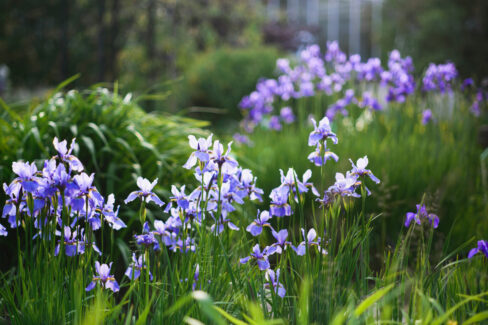
The Iris is often called the “Sword Lily,” and honestly, it’s one of the easiest ways to add a pop of gorgeous blue and yellow to your yard. If you’re looking to brighten up your garden beds, here is everything you need to know about getting these beauties in the ground.
Where to plant?
If you want those stunning, show-stopping blooms, you’ve got to give your Irises plenty of sunshine. As long as the soil is right, these plants are actually super low-maintenance. They love loose, humus-rich soil with a bit of lime mixed in. If your backyard has heavy clay soil, don’t worry—just mix in a little sand to loosen things up. This also helps with drainage, which is key because Irises definitely don’t like “wet feet” (standing water).
When to plant?
Ideally, you want to plant your Irises right after they’ve finished blooming. Depending on the specific variety, that usually happens between April and September. The sweet spot for planting is typically late summer or early fall. This gives the young plant enough time to establish its roots and get strong before the winter chill sets in. Most Irises are hardy enough to survive the winter, but it never hurts to give certain delicate varieties a little extra protection when the frost hits.
How to plant?
Depth is everything when it comes to Irises! If you bury the rhizomes too deep, you’re asking for rot to set in on the leaves and flowers. When you’re finished planting, the top third of the rhizome should actually still be visible above the soil line. That’s the “sweet spot” for a healthy plant. Also, give them some breathing room—aim for about 10 to 15 inches of space between each plant.
Pro Tip: Dividing your Irises
If your Iris has stopped blooming like it used to, it might be time to divide it and move it to a new home. Just make sure the sunlight and soil are already ideal before you start cutting. Here’s how to handle the division:
- Dig up the Iris in the fall.
- Cut the rhizome into sections about the size of your fist.
- Focus on replanting the younger side shoots.
- Mix some fresh compost into the new planting hole to give them a head start.