Irises are a staple in American gardens, and for good reason! They aren’t just easy to grow; they put on a spectacular floral show that’s hard to beat. If you’re wondering when you can expect to see those gorgeous colors popping up in your yard, here’s the scoop.
When do Irises bloom?
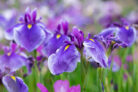
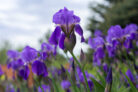
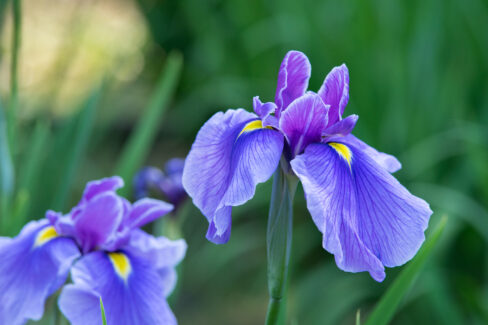
Most of us recognize Irises by those classic yellow or blue blooms. During the winter, the plant stores up energy in its rhizomes (those thick, root-like structures) to fuel its spring performance. Because there are so many different varieties, there isn’t one single “Iris season.” For the popular Bearded Iris, the bloom time actually depends on how tall the variety grows:
- Dwarf Irises (8 to 16 inches): These early birds start blooming in April.
- Intermediate Irises (20 to 28 inches): Look for flowers between May and June.
- Tall Irises (over 40 inches): These late bloomers usually wait until June to show off.
No flowers? Don’t panic!
If spring rolls around and your Irises are looking a little bare, don’t worry—it happens to the best of us. A lot of gardeners’ first instinct is to dump on more fertilizer, but a lack of nutrients is rarely the culprit. Usually, it just means your Iris has been sitting in the same spot for too long and has become overcrowded. The fix? Dig up and divide the rhizomes in the fall. Focus on replanting the younger side shoots, and you’ll likely see a comeback next season.
Finding the perfect spot
Location is everything when it comes to getting those big, beautiful blooms. Irises are total sun-worshippers. While they can survive in the shade, they probably won’t flower much (if at all). The cool thing about Irises is that they actually thrive in lean, poor soil. The only thing they’re picky about is drainage—they hate “wet feet.” If your garden has heavy clay soil, just mix in some sand to help the water drain away, and your Irises will be happy campers.