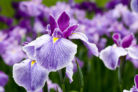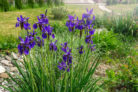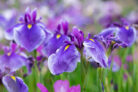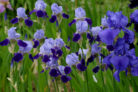
Irises are famous for their stunning blooms, but they’re also a favorite among gardeners because they are so incredibly low-maintenance. One thing you’ll notice, though, is that they love to spread! If your iris patch is getting a bit too crowded, your garden shears are going to be your best friend.
Should you prune iris leaves?
Generally speaking, you don’t really *need* to trim back iris leaves. Most varieties top out between 24 and 32 inches, so they rarely get out of control. I’d also advise against pruning them just for the sake of “tidying up” the garden, as cutting healthy leaves can actually stunt the plant’s growth. Those leaves act like solar panels, soaking up energy to fuel next spring’s gorgeous flowers. That’s why it’s best to leave them alone during the fall.
Dealing with spent iris blooms
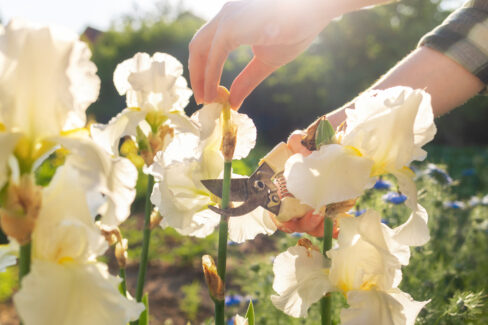
Once the blooming season is over, you’re often left with withered flower stalks that look a little messy. You can go ahead and snip these off without worry—cutting them down to about 3 or 4 inches is a good rule of thumb. This isn’t just about looks, though; it also prevents the plant from dropping seeds everywhere. If you don’t deadhead, those seeds will sprout and take over your entire flower bed before you know it! Just make sure to use a sharp, clean knife or shears to keep the plant healthy.
Dividing your irises
Some irises are happy in the same spot for years, but other varieties need a change of scenery every now and then. If your irises have stopped blooming, don’t reach for the fertilizer right away—dividing them is usually a much better fix. Simply dig up the plant, divide the rhizomes, and move them to a new home. When you divide them, you’ll want to trim back both the roots and the leaves. Finish the job by carefully planting the new sections and giving them a good, long soak.
Quick Guide: Pruning your Irises
- Leaves: Generally, no pruning is necessary.
- Remember, leaves store the energy needed for future flowers.
- Flower stalks: Trim these after blooming to prevent unwanted self-seeding.
- Division: A great trick if your plants stop flowering.
- When dividing, trim back both the foliage and the roots.
- Always use sharp, sterilized tools for every cut.