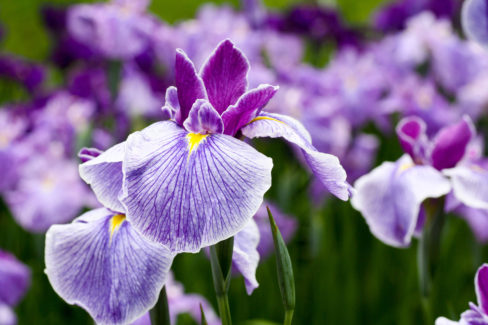
Irises are some of the most easygoing plants out there, and let’s be honest—nothing beats those stunning blooms when they take over the garden. If you’re looking to get more of these beauties without spending a dime, you’re in luck! Propagating irises is a total breeze, even if you’re just starting your gardening journey. Here is everything you need to know to get it right.
When is the best time to propagate?
For most of us, dividing the plant is the way to go. Once the blooming season wraps up, the iris starts focusing its energy on growing new roots on its rhizomes. That is your green light to get in there and divide them. Now, you *could* technically grow them from seeds, but honestly? That’s only for the most patient gardeners among us. It can take several years for a seedling to produce its first flower.
Dividing isn’t just the fastest method; it’s actually great for the plant’s health. Irises generally need to be dug up and split every three or four years. If they stay in one spot for too long, they get overcrowded, which is often why an iris stops blooming. While you’re at it, give the roots and leaves a little trim. This doesn’t just tidy things up—it actually encourages the plant to settle into its new home much faster.
How to do it
First, grab a garden spade and carefully lift the iris clump out of the ground. You’ll want a sharp, clean knife for the actual dividing. Trim away any old, withered sections of the root and then get ready to replant your “new” irises.
The trick here is the depth: irises hate being buried too deep. Make sure the soil is nice and loose, and place the rhizome so it’s still peeking out of the surface—think of it like a duck floating on water. You can mix in a little compost to give them a boost, and if your soil is heavy, adding some sand or gravel for drainage is a lifesaver.
Propagating Irises: The Quick Hits
- Growing from seed takes a long time, so stick to division for faster results.
- Use a clean, sharp knife to divide the rhizomes.
- The best time to do this is right after the flowering season ends.
- Aim to divide your irises every three to four years to keep them happy.
- If your iris isn’t blooming, a good division and trim often fix the problem.
- Replant carefully in loose, well-draining soil.
- Don’t bury them! Keep the tops of the rhizomes visible.