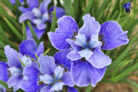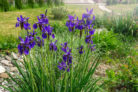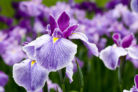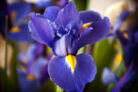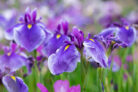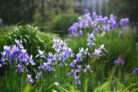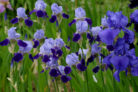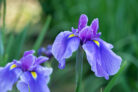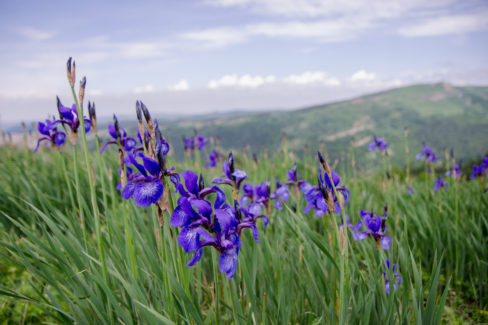
The Iris is a total rockstar in the garden because it’s relatively low-maintenance and looks absolutely stunning. That said, not all irises are created equal! Depending on which variety you’re planting, their “happy place” in your yard might look a little different.
Different Varieties, Different Needs
When you’re shopping for irises, you’ll generally run into three main types, each with its own personality and preferences:
- Bearded Iris
- Siberian or Water Iris (the swamp-lovers)
- Steppe Iris
The Bearded Iris: Your Flexible Garden Friend
The Bearded Iris is definitely the most easygoing of the bunch. It’s super adaptable and can handle almost any spot in your garden without putting up a fuss.
The Water Iris: For the Soggy Spots
If you have a spot in your yard that stays damp, the Water Iris (or Swamp Iris) is your go-to. These beauties actually love having “wet feet” and thrive in soil that stays consistently moist.
The Steppe Iris: The Sun-Soaked Minimalist
On the flip side, the Steppe Iris is all about that dry life. It prefers well-drained, sandy spots and doesn’t like to sit in water at all.
Sun and Warmth are Key
As a general rule of thumb, irises are sun-worshippers. To get those show-stopping blooms, you’ll want to plant them in the warmest, sunniest spot you have. If you’re growing them in pots, a south-facing balcony or patio is perfect. Just a quick tip: try to protect them from heavy downpours or super windy spots. Those delicate petals can get a bit beat up by extreme weather!
Getting the Soil Just Right
Irises aren’t too picky about soil—they can even handle “lean” soil that isn’t packed with nutrients. However, if you want them to really thrive, aim for soil that is loose and well-draining. If your garden soil is a bit heavy, try mixing in some compost or horn meal to give it a boost.
While irises like a regular drink of water, they hate soggy roots (except for the water varieties!). If you have heavy clay soil, mix in some gravel or sand to help with drainage.
Growing Irises in Containers
Want to grow irises in pots? Go for it! Just make sure to choose “dwarf” varieties. The rhizomes (bulbs) of standard-sized irises are usually too big and aggressive for life in a container.
A Quick Safety Note: Irises are Toxic
One important thing to keep in mind when choosing a spot is that irises are toxic to both humans and pets. Every part of the plant contains compounds that can cause stomach issues, nausea, and vomiting if ingested.
Be extra careful because the toxins stay active even in dried-up leaves. Make sure your furry friends don’t snack on any garden debris, and keep the plants out of reach of curious kiddos!