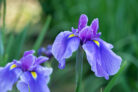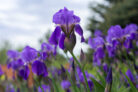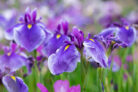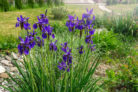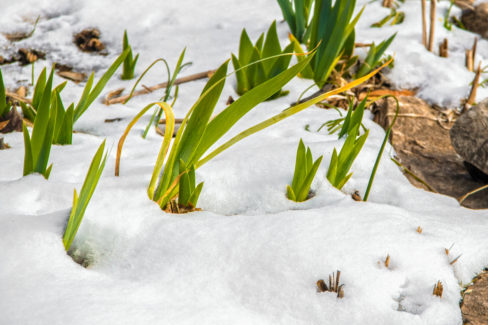
Irises are such a classic, low-maintenance favorite for any backyard garden. While they’re pretty tough, taking a few simple steps before the first frost will ensure they bounce back beautifully in the spring. Here’s everything you need to know about getting your irises through the winter.
Irises in the Winter
Since most irises are native to temperate climates, they can generally handle a cold winter outdoors without much fuss. However, it’s always a good idea to double-check which specific variety you have. While most are hardy, some exotic types might need a cozy, protected spot to survive the deep freeze. Pro tip: If you’re looking to divide and propagate your irises, try to do it right after they finish blooming. This gives the new divisions plenty of time to establish their roots before the ground freezes.
The secret to a successful winter (and a spectacular spring show) starts in the fall. Go ahead and trim away any dead or withered leaves to prevent rot. If you see green leaves with brown tips, don’t cut them all the way back—they act as energy storage for the plant. Instead, trim them back by about half, ideally cutting them into a “fan” or wedge shape. One thing to avoid: don’t pile mulch directly on top of the rhizomes. It might seem helpful, but it actually traps moisture and creates a breeding ground for mold and pests.
The Perfect Spot
To get those stunning blooms we all love, location is everything. Irises crave a sunny spot with well-draining soil. You can definitely mix in some compost to give the soil a boost, but make sure to add a little sand or gravel to ensure water doesn’t pool around the roots. Just a heads-up: if your soil is very heavy or compacted, the plant might struggle more in the winter, so you’ll want to take extra care with drainage.
Quick Guide: Winterizing Your Irises
- Most iris varieties are naturally winter-hardy.
- Some specific varieties may need a more sheltered spot or indoor wintering.
- Winter is when the iris recharges for its next blooming season.
- Successful wintering starts with the right fall maintenance.
- Always prune away dead or decayed foliage.
- Trim green leaves with brown tips by half, using a wedge-shaped cut.