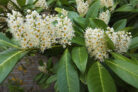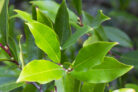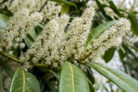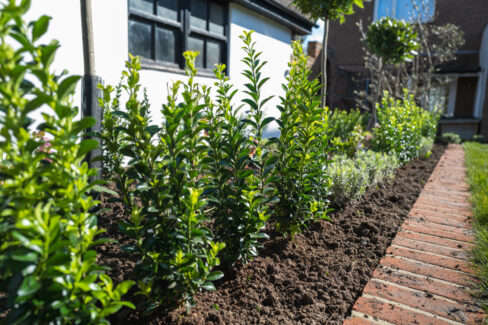
If you’re thinking about moving your laurel to a new spot in the yard, or if your potted laurel is starting to look a little cramped, you’ll want to have a solid game plan. Moving a plant can be a bit of a shock, and if it’s not done right, those roots might have a hard time settling into their new home. Here’s how to make the move as smooth as possible for your greenery.
Why you might need to move your laurel
Even though transplanting is always a little stressful for a plant, there are plenty of good reasons to do it. For example, if you’re growing laurel in a container, it’s totally normal to upgrade its home every few years. Once the root ball gets too big for the pot, it’s time to repot. This ensures your plant keeps getting the nutrients it needs to stay lush and healthy.
Sometimes, the location just isn’t working out anymore. Maybe the soil has changed and isn’t draining well, or perhaps it’s lacking the nutrients it once had. It could even be that a neighbor’s new hedge or a growing tree is now blocking the sunlight your laurel craves. Or, hey, maybe you’re just ready for a fresh look in your garden! Whatever the reason, just keep a few key tips in mind to keep your plant happy.
How to do it right
- Carefully dig up the plant, making sure to keep the root ball intact.
- Avoid pruning or damaging the roots during the move.
- Loosen the soil at the new site and mix in some organic matter like humus, cow manure, or horse manure.
- Set your laurel in the hole and cover the roots thoroughly with soil.
- Give it a good soak immediately, and keep up with regular watering while it settles in.
The best time to transplant
Timing is everything! Spring is generally the best time to move your laurel. This gives the plant its entire active growing season to establish a strong root system in its new spot. Definitely avoid transplanting during the dead of winter—freshly moved roots are extra sensitive to the cold. If you miss the spring window, early fall is your next best bet. Just make sure the plant has enough time to get settled before it needs to prepare for winter dormancy.