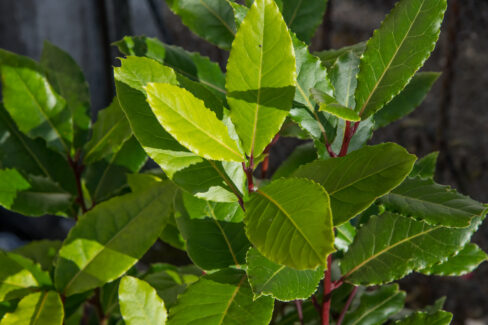
To get your bay laurel growing strong and looking its absolute best, picking the right spot is half the battle. A great location doesn’t just encourage healthy growth; it also makes your life a whole lot easier as a gardener. Here’s the lowdown on what your laurel needs to thrive.
What Bay Laurel Craves
Since bay laurel is a Mediterranean native, it’s a total sun-seeker. While it can technically survive in partial shade, it won’t be nearly as happy—the growth will be slower and those iconic leaves won’t look nearly as lush. For the best results, plant your laurel in a spot where it can soak up several hours of direct sunlight every day.
As for the dirt, you want loose soil that holds moisture well but drains easily. Bay laurel hates “wet feet” (standing water). It feels most at home in sandy soil or a substrate enriched with a bit of humus. You can prep your soil by mixing in some organic fertilizer, like humus or aged horse manure, but don’t go overboard—laurel doesn’t like to be overfed. If you’re growing your laurel in a pot on the balcony, these same rules apply!
Quick Watering Tips:
- Water regularly, but make sure the soil isn’t waterlogged.
- Use soft water if possible (rainwater or filtered water is perfect).
- During the hot summer months, give it one deep soak per week.
Winter Location Requirements
Keep in mind that while cherry laurel is pretty tough, true Bay Laurel (Laurus nobilis) is a bit more sensitive to the cold. It can’t handle deep freezes very well. If the temperature starts to drop significantly, you’ll want to move your plant to a sheltered spot or at least pile some leaves around the base of the trunk for insulation. Even in the winter, your laurel still needs plenty of light and proper winter care to make it through to spring.