Holly (Ilex) is a super hardy garden staple that looks great whether you’re growing it as a standout specimen shrub or a classic privacy hedge. But here’s the thing: while they’re tough, they aren’t exactly fans of moving day. Transplanting a holly can be a bit tricky because they don’t always take well to being disturbed.
Giving Your Holly a New Home
Holly loves a spot that gets anywhere from full sun to partial shade, ideally with soil that stays slightly moist and isn’t too alkaline (they prefer low-lime soil). If you absolutely have to move your plant, you’ve got to make sure the new spot hits all those same marks.
Moving is stressful for a holly, and it’ll usually let you know by dropping some leaves. If the plant is still relatively young, it should bounce back and settle into its new home just fine with a little extra TLC.
However, if you have an old, established holly, it’s usually best to leave it where it is. Since these plants are deep-rooted, you’ll likely end up cutting too many of those vital roots during the move, and the odds of an old holly surviving the transplant are pretty slim.
Moving Holly Hedges, Layers, and Potted Plants
Timing is everything! The best time to transplant is late fall. This is when the plant is heading into its winter dormancy, giving it plenty of time to establish new roots before the spring growth spurt kicks in.
Moving a Hedge
If you’re moving a holly hedge in the fall, you’ll want to prep the new site first to make the transition as smooth as possible.
- Dig a trench deep enough to comfortably fit the root balls.
- Mix your soil with some well-aged compost or organic fertilizer to give it a nutrient boost.
- Give the trench a good soak with water.
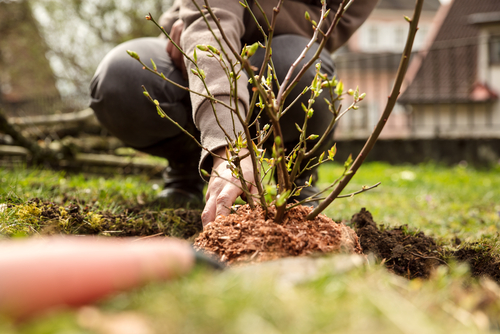
- Carefully dig up your holly plants, trying to keep the root balls intact.
- Place the shrubs in the trench and add a little soil back in just to keep them steady.
- Take a step back and make sure the hedge line looks exactly how you want it.
- Fill in the rest of the soil and give your new hedge a very thorough watering.
Transplanting Layers (Runners)
Holly often spreads via “layers”—branches that touch the ground and sprout their own roots. You should leave these attached to the mother plant for about two years so they can develop a strong enough root system to survive on their own.
Once they’re ready, you can dig them up and move them to their permanent spot. Toss some compost into the planting hole and make sure to water the little guy daily for a while until it’s well-established.
Repotting Container Hollies
If you’re growing holly in pots, you’ll eventually need to upgrade their living space. Since holly is a slow grower, you won’t have to do this very often. Just make sure the new pot has plenty of room for the root ball to expand. Use some mature compost for nutrients and give it a good drink of water right after the move.