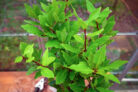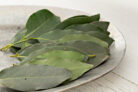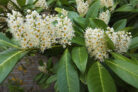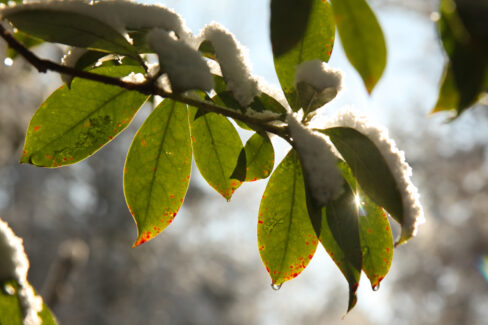
With a few simple steps, you can make sure your potted bay laurel survives the winter without a scratch. Unlike its cousin the cherry laurel, true bay laurel isn’t fully hardy, but don’t worry—with the right tricks, you can get your plant through the cold season safely.
Why Potted Bay Laurel is Sensitive to Frost
When you have plants planted directly in the ground, the earth acts as a natural insulator. Even when the air temperature is freezing, the root ball stays relatively cozy underground. This is a big deal because, during the winter, a plant’s sap retreats down into the roots. For potted plants, things are a bit different.
If you’re growing your bay laurel in a container, the soil is much more exposed to the chilly air surrounding it. This means you have to be a lot quicker about winterizing your plant. On the bright side, having a plant in a pot gives you more options for protection! You just need to keep these basic winter needs in mind:
- Bay laurel still needs sunlight in the winter.
- Water regularly—but much less than you would in the summer.
- Skip the fertilizer during the winter months.
- Don’t prune your plant until spring.
Pro Tips for Overwintering
The best way to protect your bay laurel from frost is to move the whole pot to a safer spot. Many gardeners bring their plants indoors or stash them in a garage or greenhouse before the first frost hits. Ideally, you’re looking for a spot that stays around 45°F (8°C). You want to keep it above freezing, but you don’t want it *too* warm either, or you might mess with the plant’s natural growth cycle.
If you don’t have room inside or if your winters are relatively mild, here’s another trick: wrap the pot in garden fleece or burlap. Wrap it several times around the container and tuck it over the rim. This creates a layer of insulation that helps keep the roots from freezing solid.