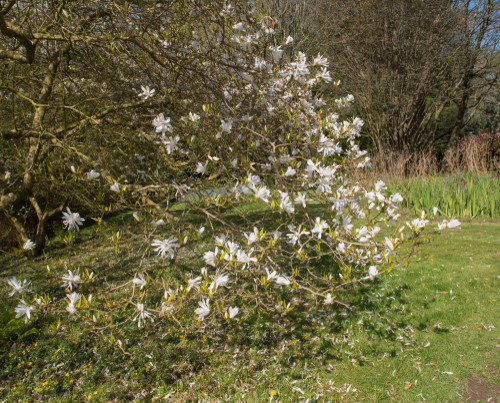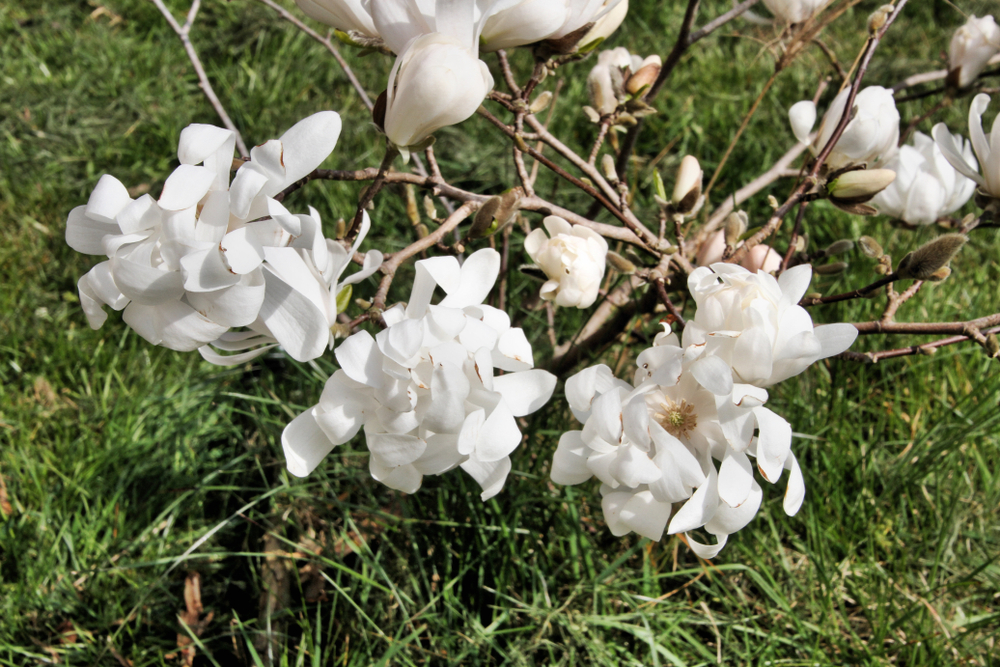
Let’s be honest: the way we first laid out our gardens isn’t always the way they should stay forever. Sometimes a plant just outgrows its welcome, or you realize that beautiful magnolia you planted years ago would look way better on the other side of the yard. Moving a long-lived beauty like a magnolia is a big job, but if you keep a few key things in mind, your tree will settle into its new home just fine.
The Best Time to Move
Technically, you can move a magnolia almost any time of year, but if you want to make it easy on the tree (and yourself!), timing is everything. The absolute best time to transplant is in the fall, right after the leaves have dropped. Your second-best bet is early spring, just before the new growth starts kicking in.
Picking the Perfect Spot
Success really comes down to location, location, location. When choosing a new spot, aim for partial shade. While they love light, magnolias can get a bit stressed out by too much harsh, direct afternoon sun. You’ll also want a spot that’s sheltered from heavy winds. And don’t forget to look ahead! Magnolias get pretty big over time, so make sure there’s plenty of elbow room for those long branches to spread out in the years to come.
Getting the Soil Right
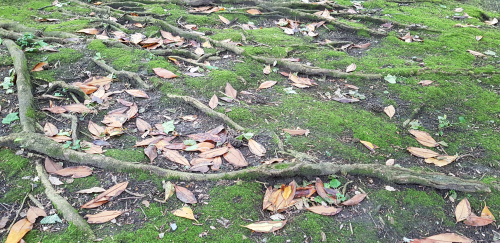
Since magnolias are shallow-rooted plants, you don’t need to worry about digging a deep trench, but you do want to make sure the top layers of soil are nice and loose. They crave nutrient-rich, slightly acidic soil. To give your tree the best head start, mix some peat and humus into the ground. You’ll also want to step up your care routine for a while after the move to help it get established.
Step-by-Step: How to Transplant
Ready to get your hands dirty? Here’s the best way to move your magnolia:
- Carefully dig out the root ball, trying to keep as much of it intact as possible.
- Dig a new hole that’s about twice as wide as the root ball.
- Set the plant in the hole and fill it back in with your enriched soil (that peat and humus mix we talked about).
- Because those important feeder roots live so close to the surface, you need to give it a very thorough soaking immediately after transplanting.
Pro tip: If you’re looking to do more than just move your tree—maybe you want to grow some “babies” too—try doing this in late summer instead of fall. That way, you can take cuttings from the semi-hardwood branches to propagate new plants!