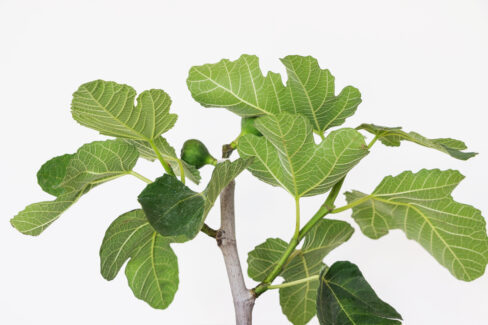
Fig trees have notoriously sensitive root systems. Once you’ve settled one into the ground, it really prefers to stay put—moving an established tree is a major stressor. However, if you’re growing figs in containers, regular repotting is a must. Whether you’re moving a pot-grown fig into your backyard or upgrading its container, here’s how to do it right.
Planting Potted Figs Outdoors
If you want your fig tree to thrive in the garden, it all starts with the right soil. Figs love a nutrient-rich environment, but they hate “wet feet.” You’re looking for a substrate that is rich but well-draining. A mix of garden soil and compost is a great start, but I recommend mixing in some coarse gravel or sand to improve aeration and drainage.
How to plant your fig:
- Dig a hole twice as wide and deep as the root ball.
- Add a layer of drainage material (like gravel) at the bottom.
- Toss in a bit of your prepared soil mix.
- Place the fig in the hole and fill it in.
- Give it a good, deep watering.
If you’re planting a larger tree, it’s a smart move to stake it until the roots have firmly established themselves in their new home.
Repotting Container Figs
For those of you growing figs on a balcony or patio, you’ll want to repot them at least every two years. There are two main reasons for this: first, the soil eventually runs out of nutrients; and second, figs are surprisingly fast growers below the surface.
If the pot gets too cramped, the tree’s growth will stall, and your fruit harvest will be pretty disappointing. Plus, if you leave a fig outdoors in the winter, roots that are pressed right up against the edge of a cramped pot are much more likely to suffer freeze damage.
The process for repotting is similar to planting in the ground. Make sure to use a drainage layer of lava rock or expanded clay pebbles at the bottom. For the soil, a high-quality potting mix works great. Since container plants don’t benefit from natural decomposition like garden soil does, feel free to use a slightly richer substrate to keep those nutrient levels up.
Moving Established Garden Figs
Sometimes life happens and you *have* to move a fig tree that’s already in the ground. If you find yourself in this spot, proceed with caution! A fig’s root system is typically three times as wide as its canopy. This means only younger, smaller trees are realistic candidates for a move.
When digging it up, you need to be extremely generous with the root ball. Just like with a new planting, the new hole should be twice the size of that root ball. For an older tree, that could mean a hole several feet wide! It’s a lot of sweat equity, but filling that massive hole with fresh, nutrient-dense soil gives your fig the best possible shot at bouncing back.