If your pine tree isn’t exactly thriving in its current spot, you might be thinking about moving it. But here’s the thing: pine trees can be a bit finicky about being relocated. It’s definitely doable, but only if the tree is still relatively young and you follow the right steps. Here’s my guide on how to transplant your pine without stressing it out too much.
Prepping for the Big Move
Before you grab your shovel, take a second to really think about whether your pine absolutely needs to move. These evergreens have pretty sensitive root systems, and once they reach a certain size, moving them becomes a major project. To give your tree the best shot at surviving the move, you actually need to start prepping a full year in advance.
Here’s the game plan:
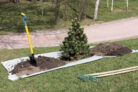
- In August—one year before you plan to move the tree—dig a circular trench about 20 inches deep around the trunk. Keep the trench about 12 inches away from the base.
- Fill that trench back in with a mix of fresh compost and loose garden soil. This encourages the tree to grow fine feeder roots closer to the trunk.
- By the following year, those new roots will make it much easier to lift the pine out with a healthy root ball.
How to Transplant Your Pine the Right Way
Fast forward to the following year: the best time to actually move the tree is in late August or early September. First, make sure you’ve picked out the perfect new location. When you’re ready, dig along that same circle where you added the compost the previous year.
Carefully lift the pine’s roots out of the ground. If you run into any stubborn roots still anchored deep in the soil, use a sharp spade to cut through them cleanly. At the new spot, dig a hole that’s twice as wide as the root ball. You want to make sure those roots have plenty of room to spread out in their new home.
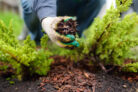
Place the pine in the hole and fill it back up with a blend of soil, compost, and some horn shavings for a little nutrient boost. Give it a really good soak right away. For the next two weeks, you’ll need to be diligent about watering to help it settle in. Finally, spread a layer of bark mulch over the root zone. It’s a great way to keep the moisture in and provide some natural fertilizer over time.