Tulips bring so much joy to the garden through May, but eventually, those vibrant petals fade and the leaves start looking a bit tired. If you want your tulips to come back just as strong next spring, right now is actually a critical time for a little TLC.
Post-Bloom Care
Once the blooming is done, you’ll want to prune in stages. This helps the plant funnel all its remaining energy back into the bulb. Here’s the game plan:
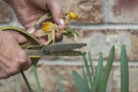
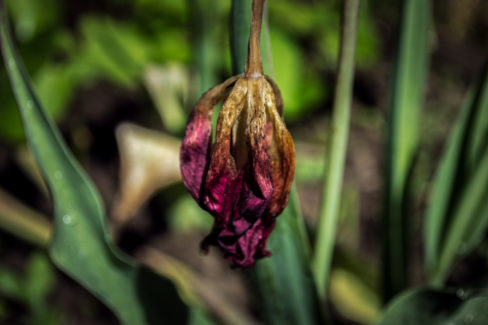
- As soon as the flower head starts to wither, snip it off deep down the stem. This prevents the plant from wasting energy on producing seeds.
- Leave those green leaves alone for now! The plant is busy moving nutrients from the foliage down into the bulb to create an energy reservoir for next year’s growth. It’s also busy making “bulblets” (baby bulbs). To help this process along, keep feeding the leaves with some compost or horn meal.
- Only cut the leaves down to ground level once they are completely yellow, dry, and crispy. If you can’t stand the look of dying foliage in your flower beds, you can carefully dig up the entire root ball and “re-plant” it in a hidden corner of your yard until the leaves have fully dried out.
- If you do move them, give them a little water every now and then if the weather gets particularly dry.
To Dig or Not to Dig?
Once the top of the plant is gone, you have to decide what to do with the bulbs. You’ve basically got two choices:
- Leave them in the ground until next spring.
- Dig them up and store them in a cool, dry place for the summer.
Leaving Bulbs in the Ground
Tulips are perennials, so they can stay in the garden if the conditions are right. Your soil needs to be relatively dry and well-draining so rainwater doesn’t sit around. Tulip bulbs hate “wet feet”—standing water will cause them to rot, and they won’t sprout again. Also, keep in mind that voles think tulip bulbs are a five-star snack. If you have these critters in your yard, always plant your bulbs in wire mesh baskets.
Over time, tulip bulbs tend to pull themselves deeper into the earth. Eventually, they’ll be so deep they can’t push a sprout to the surface. You can prevent this by digging them up and replanting them at the proper depth every three to four years. Note: Species tulips (wild or botanical tulips) should always stay in the ground, as they love to naturalize and spread on their own.
Storing Bulbs for the Summer
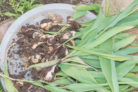
If you decide to take your bulbs out of the ground, start by loosening the soil with a garden fork. Then, carefully lift them out with a small trowel. Here’s how to prep them for storage:
- Shake off any loose dirt.
- Let the bulbs dry out in a box for a little while.
- Clean them off with a soft brush and toss out any bulbs that look damaged or soft.
- Wrap each bulb individually in a piece of paper towel.
- Fill a box with dry peat moss, sawdust, or sand.
- Place the bulbs inside so they aren’t touching each other.
- Store the box in a cool, dry spot—a basement or a garden shed is usually perfect.
- Check on them occasionally to make sure none are rotting or getting moldy.