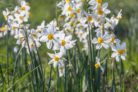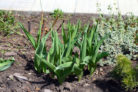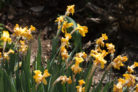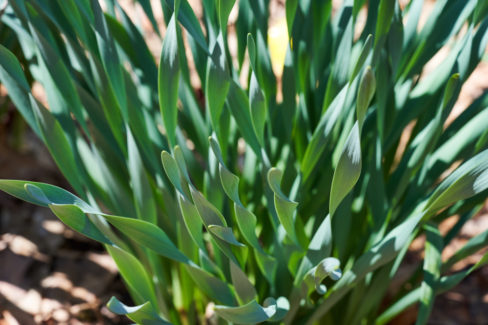
Parkanlagen are already overflowing with seas of yellow, white, and orange, but in your own backyard, the daffodils are stubbornly staying shut. It’s frustrating, right? If your Easter bells are refusing to ring, you’re probably wondering what’s going wrong and how you can give them a little nudge. We’ve got the scoop on why your daffodils might be acting shy and how to fix it.
The Culprits
If your blooms are a no-show, it’s usually down to one of these common issues:
- An overcrowded or overly branched main bulb
- A lack of nutrients in the soil
- Pests or diseases
- The wrong location
When the Bulb Gets Too Big for Its Boots
Believe it or not, the most common reason daffodils stop blooming is that the main bulb has grown too large and started producing too many “babies” (offshoot bulbs). These little side-shoots act like tiny energy vampires, sucking all the strength away from the mother bulb. Instead of putting its energy into a gorgeous flower, the plant spends everything it has just trying to maintain that underground growth.
The good news? This is an easy fix. Just dig up the bulb and gently pull the sections apart by hand. Not only will this help the original plant bloom again, but you’ll end up with several new daffodils to enjoy next year!
Pro Tip: Daffodils go back into the ground in the fall. Until then, store your divided bulbs in a cool, breezy spot—ideally between 40°F and 50°F. A dry basement is usually the perfect “dorm room” for them.
Nutrient Deficiency
Sometimes your flowers are just hungry! If they’re lacking essential nutrients, they won’t have the fuel to bloom. You don’t have to guess, either—grab a simple soil test kit from your local hardware store or garden center to see exactly what’s missing. Once you know what they need, a little targeted fertilizer should do the trick.
Pests and Diseases
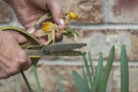
Unfortunately, even hardy daffodils can get sick or attract unwanted guests. If you notice a plant looking diseased, my best advice is to be ruthless. It’s better to lose one single daffodil than to let a sickness spread to your entire garden bed. Don’t try to nurse a sick bulb back to health; just remove it and dispose of it (not in your compost!) to keep the rest of your flowers safe.
Location, Location, Location
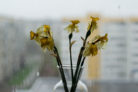
Daffodils are classic garden staples, but they also make stunning indoor arrangements. If your potted daffodils aren’t opening up inside, they’re likely craving more sunlight. Moving them to a brighter window can work wonders almost overnight. The same rule applies to your garden beds—if they’re stuck in a dark, soggy corner, it might be time to transplant them to a sunnier spot.