These popular Turkish fruits aren’t just delicious—they also look absolutely stunning in any garden. If you’re looking to add some Mediterranean flair to your backyard, here’s the lowdown on what makes these plants so special.
[[pflanzen]]
++Mulberry (Morus)
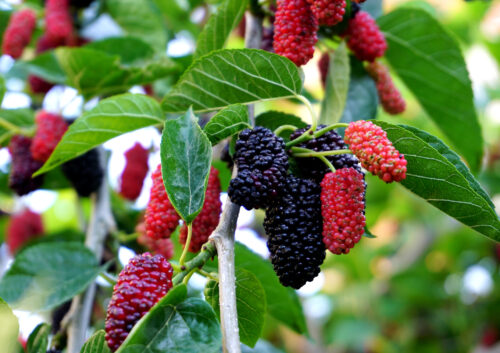
If you’re looking for a low-maintenance tree, the mulberry is a fantastic choice. These trees are incredibly drought-tolerant and develop a beautiful, gnarly character as they age. They produce berries that look a bit like elongated blackberries and have a unique, sweet flavor. You can eat them fresh right off the branch or dry them out to use just like raisins in your morning oatmeal or baking.
++Mandarin Orange (Citrus reticulata)
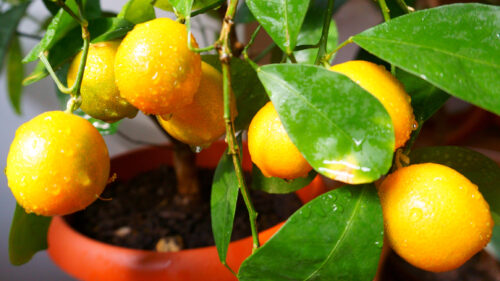
Mandarins are hands-down some of the sweetest citrus fruits you can grow. They’re the perfect healthy snack and add a bright pop to fancy desserts. These plants grow into lovely small trees or bushy shrubs. To get that signature sugary flavor, make sure you pick the sunniest spot in your yard. Just a heads-up: they aren’t big fans of the cold, so you’ll want to bring them indoors or provide plenty of protection during the winter.
++Apricot (Prunus armeniaca)
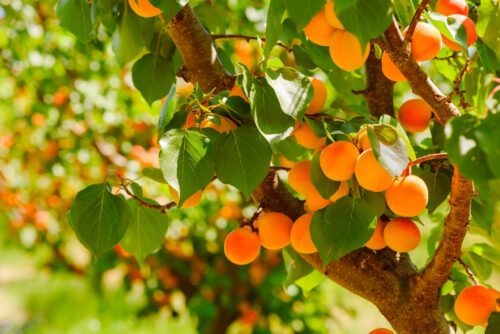
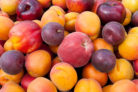
Apricots grow as charming small trees or large shrubs and produce some of the best stone fruit around. If you have a sunny spot that’s shielded from harsh winds, you’re in business. Homegrown apricots are often surprisingly large and juicy. The sweet flesh pulls away from the pit easily, making them a dream for home cooks—there’s nothing quite like homemade apricot jam!
++Pomegranate (Punica granatum)
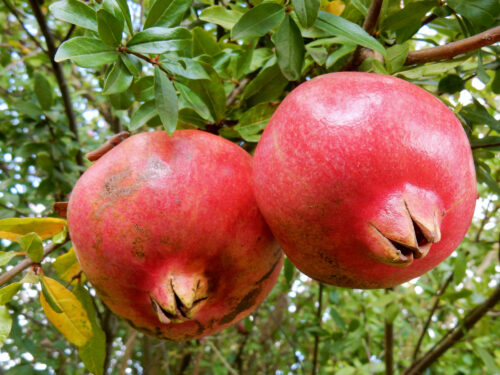
Pomegranates are a staple in Turkish gardens, and for good reason. The fruit is packed with ruby-red seeds that offer a perfect balance of sweet and tart. Because the seeds are so vibrant, they’re amazing for garnishing salads or desserts. You can actually grow these in large pots, which is super handy because they can’t handle frost. When the temperature drops, just wheel the container into a protected area.
++Strawberry (Fragaria)
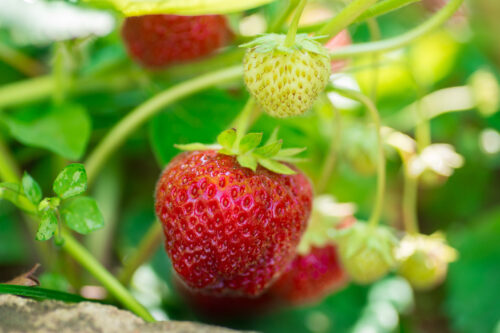
Who doesn’t love strawberries? They are a favorite in Turkey and pretty much everywhere else in the world. The best part is their versatility—you can plant them in garden beds or in pots on your balcony. The secret to those super-sweet, candy-like berries is maximum sunlight. The more sun they get, the more natural sugars they develop.
++Quince (Cydonia oblonga)
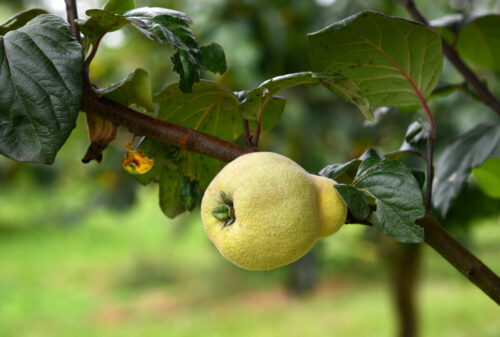
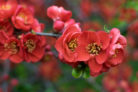
If you want something a little more “boutique” for your garden, try a quince tree. It’s an exotic choice that you don’t see in every neighbor’s yard. Quinces are famous for their incredible, room-filling fragrance. While they aren’t usually eaten raw, they are absolute stars when cooked down into jellies, quince paste (membrillo), or other traditional sweets.
++Fig (Ficus carica)
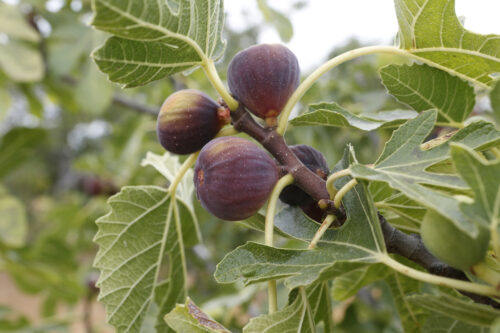
Figs are a true Mediterranean classic. In Turkey, they’re enjoyed fresh or used in countless recipes. Beyond the delicious fruit, fig trees are prized by gardeners for their massive, architectural leaves that provide a tropical vibe. Just remember that while they are hardy in many zones, they appreciate a little extra winter protection to stay happy and healthy.
%%Olive (Olea europaea)
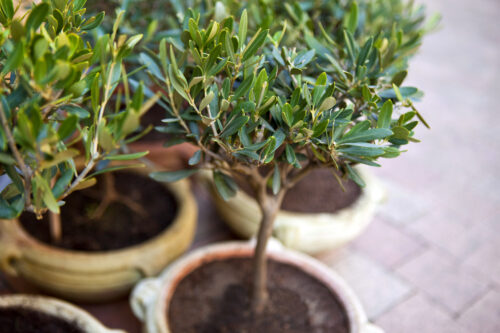
The olive tree is the iconic symbol of the Turkish landscape. With their silvery leaves and rustic trunks, they look gorgeous as potted patio plants or even pruned as “standards” (mini trees). They bring an instant touch of elegance to any space. If you live in a cooler climate, keeping them in a container is the way to go so you can overwinter them in a safe, frost-free spot.