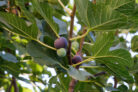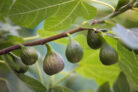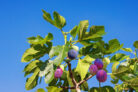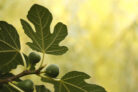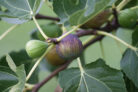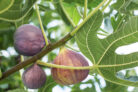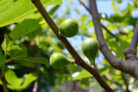
When it comes to pollination and fruit production, figs are probably one of the most fascinating (and slightly weird!) plants in the garden. Most people only know them as those dried snacks from the grocery store, but their unique shape and growing cycle are truly one-of-a-kind.
The Bloom
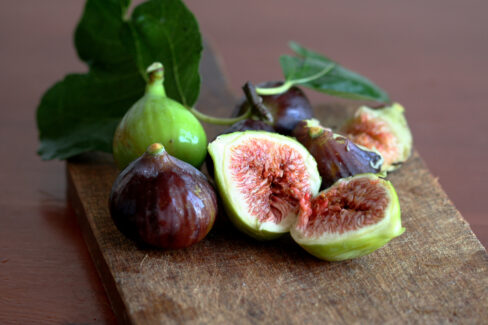
The way a fig “flowers” is a total botanical oddity. Unlike your roses or lilies, a fig doesn’t have outward-facing petals. Instead, the flowers are actually hidden inside that fleshy green shell, tucked away in a tiny internal chamber with only a microscopic opening at the bottom.
In nature, a tiny creature called a fig wasp crawls through that opening to pollinate the flowers. It’s a wild cycle: the wasp enters, pollinates, and even mates inside the fruit. Because the male wasps can’t fly, they usually stay behind, which means—technically speaking—when you eat a wild-pollinated fig, you’re eating a little bit of protein, too!
However, if you are growing figs in cooler climates or in your backyard, things work a little differently. Most varieties sold for home gardens are “self-fruiting” (parthenocarpic). Since the specific fig wasp doesn’t live in cooler regions, these trees have been bred to produce delicious fruit without needing any pollination at all. You get the same unique flower structure, just without the uninvited insect guests!
Fruit Development
Fig trees are overachievers and can actually produce two crops of fruit a year. However, there’s a catch: usually, only the first crop (the “breba” crop) has enough time to fully ripen. If you see a second flush of tiny figs appearing late in the season, it’s often a good idea to pinch them off. This helps the tree channel all its energy into the main crop, ensuring your figs grow larger and sweeter.
To get that perfect honey-like flavor, figs need plenty of sunshine. It takes several months for the fruit to develop, and they stay small and hard for a long time. Then, almost overnight, they’ll swell up, change color, and soften.
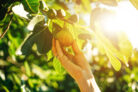
Because they are so high in natural sugar, you aren’t the only one watching them—birds and bugs love them just as much! Keep a close eye on the tree; once the skin changes color and the fruit feels soft to a gentle squeeze, it’s go-time.
The Harvest
When you’re ready to pick, handle your figs like they’re made of glass. They bruise incredibly easily! Even the most perfect fig won’t stay fresh for long once it’s off the tree, so you’ll want to use them pretty much immediately.
Here are a few of my favorite ways to use a harvest:
- Eat them fresh right off the branch (nothing beats it!)
- Dehydrate them for snacks
- Freeze them for later
- Whip up a batch of fig jam
If you can’t eat them all at once, you can store them in a cool, dry spot like a pantry for a couple of days. Just a pro tip: keep them out of the fridge if you can, as the cold temperature tends to dull that amazing homegrown flavor.