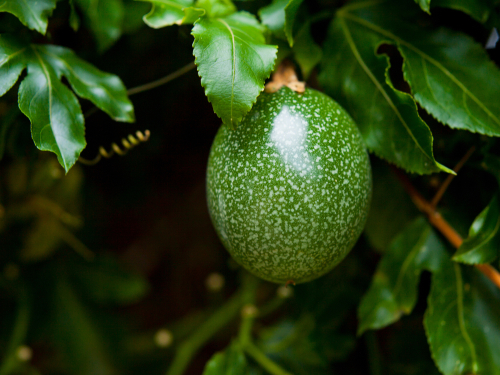
While we don’t know the exact “birthplace” of the passion fruit, one thing is for sure: these beauties are tropical through and through. Nowadays, this exotic fruit is grown all over the globe, which is why you can usually find them at the grocery store any time of year.
Where does passion fruit actually come from?
The precise origin of the passion fruit and its close cousin, the maracuja, is still a bit of a mystery. We do know they hail from the tropical regions of South America—most likely the Brazilian Amazon. The humid, warm climate of the rainforest provides the perfect conditions for these vines to thrive and produce their iconic fruit.
Where is passion fruit grown today?
Thanks to globalization, breeding and cultivation happen worldwide. However, for commercial farming, they still need that tropical heat. Most of the ripe fruit you see in the produce aisle comes from places like:
- Kenya
- Sri Lanka
- South Africa
The cool part? You can actually grow your own passion fruit and enjoy a homegrown harvest! Since our winters are way too chilly for these tropical plants, you’ll want to keep them in a heated greenhouse or a large pot. Growing them in containers makes it easy to move them to a cozy indoor spot once the temperature drops. If you want to give it a try, you have a few options:
- Buy a packet of seeds
- Use seeds straight from a fresh fruit
- Grow a new plant from cuttings
- Buy a pre-grown starter plant
How did the passion fruit get its name?
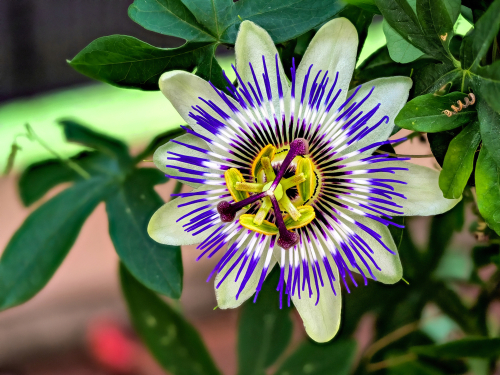
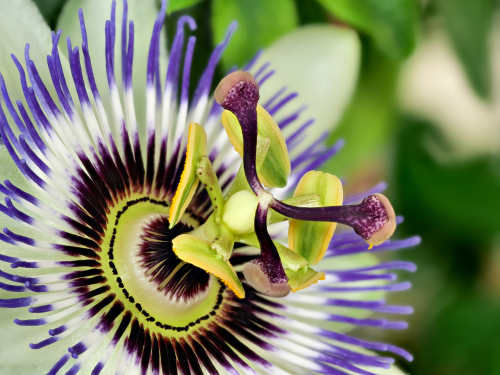
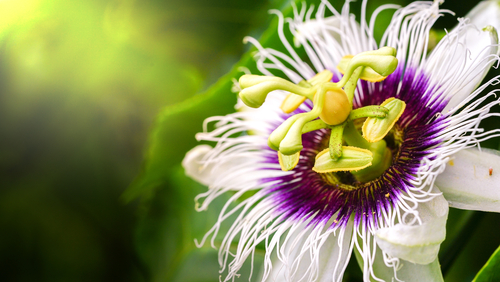
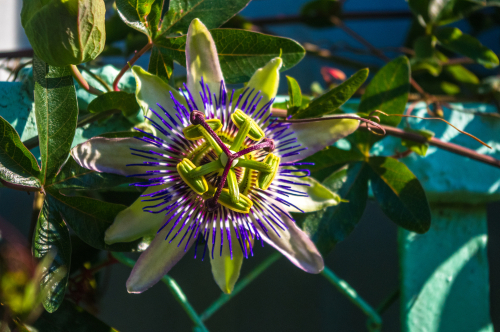
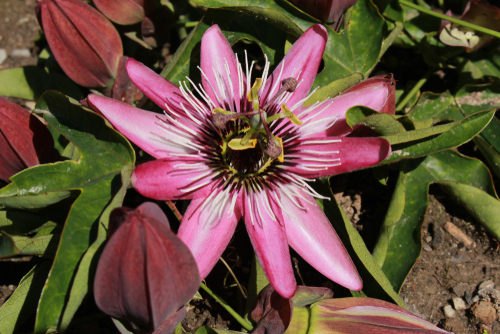
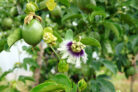
The name “passion fruit” actually comes from the unique look of its flower. Back in the day, missionaries in South America saw the intricate shapes and colors of the bloom as a symbol of the Passion of Christ. They believed the petals and sepals represented the ten apostles, while the central fringe looked like the crown of thorns. The three styles were seen as the nails of the crucifixion, and the stamens represented the wounds. It’s a pretty deep backstory for such a delicious fruit!