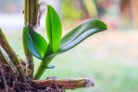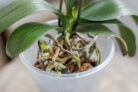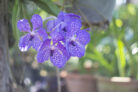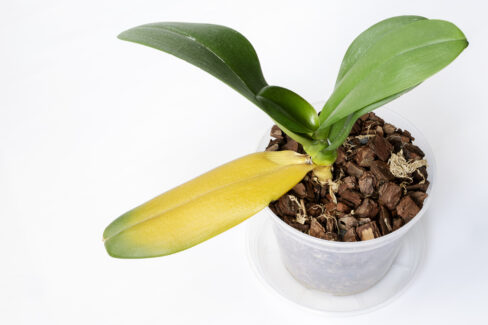
Usually, the Vanda orchid is a real showstopper with its lush, vibrant green leaves. But if you notice those leaves starting to wilt or drop off, it’s definitely a red flag. Most of the time, when a Vanda starts losing its foliage, there’s a little hiccup in its care routine.
Common Reasons for Leaf Drop
- Not enough light
- Rot issues
- Sudden changes in location
- Fungal infections
Is Your Orchid Getting Enough Light?
If your Vanda isn’t getting the sunshine it craves, the first thing it’ll do is stop blooming. If the lighting doesn’t improve, it’ll eventually start dropping leaves after a year or two. Take a close look at where your orchid is sitting—it needs a very bright, sunny spot. However, there’s a catch: while they love light, direct midday sun through a south-facing window can be too intense. A sheer curtain is perfect for filtering those harsh rays.
Temperature matters, too! These tropical beauties love it warm, ideally between 75°F and 85°F (25-30°C). In the winter, they can handle slightly cooler temps around 60°F to 68°F (15-20°C). If you have a balcony or patio, your Vanda will absolutely love spending the summer outdoors from May through August.
Watering Woes and Rot
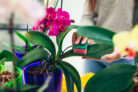
Another common culprit for leaf loss is rot. This usually happens during watering. If you soak your orchid and water gets trapped in the leaf axils (where the leaf meets the stem) or the “heart” of the plant, it can lead to decay. Always make sure the plant can dry out properly after its bath!
The Stress of Moving
Vandas are creatures of habit. Once they’re happy in a spot, they really don’t like being moved. A sudden change in environment can shock the plant, causing it to drop leaves in protest. If you need to move it—especially when transitioning from a cozy indoor windowsill to the outdoors in early summer—do it gradually so the plant can acclimate.
Dealing with Fungal Infections
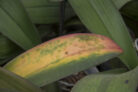
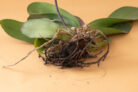
You can usually spot a fungal issue if the leaves start turning yellow or brown starting from the stem outward. Unfortunately, because the fungus blocks the plant’s internal “plumbing,” it’s often too late to save the main plant once the leaves start falling off. Your best bet is to see if you can save any healthy aerial roots to use as top cuttings to start a new plant. Sadly, the infected mother plant will need to be tossed out to prevent the fungus from spreading.