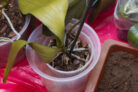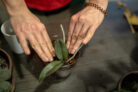
Orchids aren’t just about those stunning, showy blooms; those glossy green leaves play a huge role in the plant’s health, too. They aren’t just there for looks—they’re vital for the plant’s survival. If your orchid suddenly drops all its leaves, you need to move fast to save it.
Losing a single leaf is totally normal
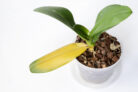
If you notice the very bottom leaf turning yellow and eventually falling off, don’t panic! This is usually just part of the natural aging process. Orchids shed their oldest bottom leaves as they grow fresh, new ones at the top.
Why is my orchid losing all its leaves?
However, if your orchid isn’t just shedding one leaf but dropping all of them, it’s usually a sign that something is wrong with its care routine. The most common culprits are:
- Not enough light
- Compacted or soggy potting medium
Lack of light
Orchids love a warm, bright spot. While you definitely want to keep them out of harsh, direct midday sun (which can scorch them), they are very sensitive to low light. Dropping leaves is often their way of telling you they need more sunshine. East- or west-facing windows are usually the “sweet spot” for orchids.
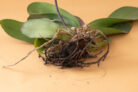
The wrong substrate and standing water
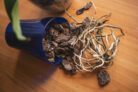
If your watering routine is a bit off, the upper parts of the plant won’t get the nutrients and hydration they need, leading to leaf loss. You want to find a balance—avoid letting the plant stay bone dry for too long, but definitely make sure it isn’t sitting in standing water, which causes root rot.
Old age
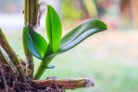
If you’ve had your orchid for many years, losing leaves might simply be a sign that it’s reaching the end of its life. Many orchid species ensure their legacy by growing baby plants (keikis). Once these little offshoots have developed a few roots and leaves of their own, you can carefully remove them and pot them up as brand-new plants.
Caring for a leafless orchid
If your orchid is currently sitting there completely bare, it’s time for some “intensive care.” A nitrogen-rich orchid fertilizer can help jumpstart new leaf growth. Keep your leafless orchid in a warm, bright location and fertilize it about every two weeks.
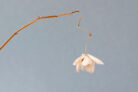
One pro tip: If your orchid has flower spikes but no leaves, you should actually cut the spikes off. This forces the plant to redirect all its energy into growing new leaves, which are essential for its long-term survival.