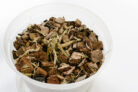
If you want to know how your orchid is really doing, just take a look at its leaves! They’re basically the plant’s way of talking to you. A happy, thriving orchid will sport firm, vibrant green leaves. If things start looking a little funky, it’s usually a sign that something in your care routine needs a tweak.
What Healthy Leaves Look Like
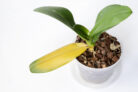
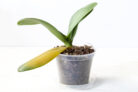
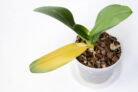
In a perfect world, your orchid’s leaves should be green, sturdy, and have a nice little shine to them. Now, don’t panic if the very bottom leaf turns yellow and eventually shrivels up—that’s just the natural aging process. As long as a fresh new leaf is growing in from the top to replace the old-timer, your plant is doing just fine.
Giving Your Leaves Some Love
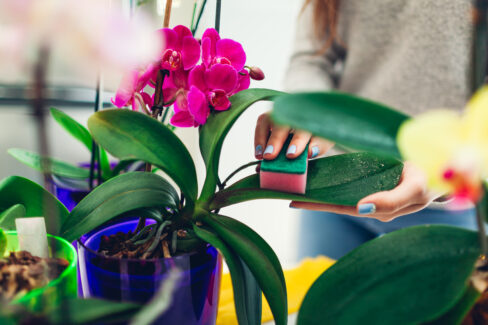
Don’t forget to include the foliage in your grooming routine! Using a specialized orchid mist or vital spray is a great way to give the leaves a boost of moisture and nutrients. Also, make it a habit to gently wipe them down with a damp cloth. This gets rid of dust buildup so the plant can breathe and really show off that healthy glow.
Spotting Trouble Early
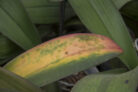
Your orchid’s leaves are like an early warning system. If they start looking limp, wrinkled, or droopy—or if they start turning yellow or brown—it’s time to do a little detective work to find out what’s going wrong.
Limp Leaves: Too Much or Too Little Water?
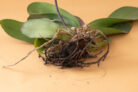
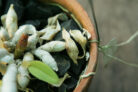
If you notice the leaves hanging sadly or developing shriveled ridges, you’ve likely got a watering issue. Ironically, both overwatering (which leads to root rot) and letting the plant get bone-dry for too long can cause this same wilted look.
If the problem isn’t fixed, those leaves will eventually turn yellow or brown, wither away, and fall off.
Sunburn
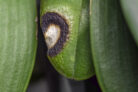
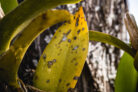
Yep, orchids can get sunburned too! If your plant is sitting in harsh, direct midday sun, you might see yellow or brown spots pop up on the leaves, often with a dark ring around the edges. If this happens, just move your orchid to a spot with bright but indirect light, and it should bounce back.
New Growth on Stems or Bulbs
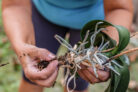
Sometimes you’ll see new leaves growing directly on a flower spike or a bulb. These are called “Keikis”—which is Hawaiian for “babies.” These are little orchid clones! Leave them attached to the mother plant until they’ve grown two or three leaves and have roots about an inch or two long. Once they reach that stage, you can carefully snip them off and pot them up on their own.