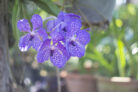
An orchid without flowers is a bit like a sky without stars, don’t you think? If your Vanda orchid is currently looking a little bare, there’s no need to panic. Usually, all it takes are a few small tweaks to your care routine and a little bit of patience. Once you start meeting this plant’s specific needs, it’ll be back to showing off those gorgeous, vibrant blooms in no time.
No Light, No Blooms
Vanda orchids are absolute sun-worshippers. If they aren’t getting enough light, they simply won’t flower. To help your tropical beauty develop new buds, try moving it to a better spot:
- From May through September, a sunny balcony is the perfect vacation spot for your Vanda.
- If you don’t have outdoor space, a south- or west-facing window is your best bet.
- Just a heads-up: use a sheer curtain to protect the leaves from that scorching midday sun.
- During the winter, a south-facing window is a must so the plant can soak up every bit of available light.
Ideally, you want to keep things between 77°F and 86°F (25-30°C) in the summer. In the winter, about 65°F (18°C) is just right. If you keep these conditions steady, your Vanda can actually bloom all year round!
Watch Out for Dry Air
Dry air is a total bloom-killer, especially during those hot summer days or when the heater is cranking in the winter. To keep your Vanda happy, grab a spray bottle and give it a fine mist every day during the summer. In the winter, you can scale back to misting just once or twice a week.
Skip the Potting Soil
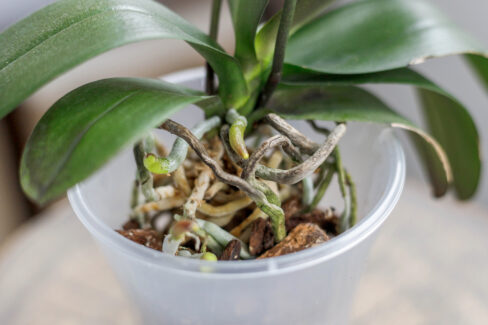
One of the most common mistakes new orchid parents make is planting a Vanda in regular potting soil. If you do this, your Vanda will definitely go on a “blooming strike.” In the wild, Vandas are epiphytes—meaning they grow high up on the branches of massive rainforest trees, clinging to the bark rather than sitting in dirt. They don’t need traditional substrate at all!
To keep yours thriving, only use very coarse orchid bark (like pine bark) or, better yet, grow it without any substrate at all in a special glass vase. Give those roots some breathing room, and the flowers will follow.