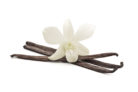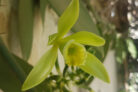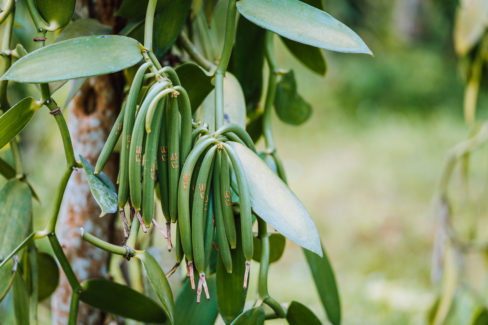
Did you know that those fragrant vanilla beans actually grow on orchids? It’s true! But the Vanilla Orchid is much more than just a source for your favorite baking ingredient. For us home gardeners, it’s a total showstopper thanks to its lush green foliage and stunning blooms. Let’s dive into what makes this plant so special in this quick profile.
Systematics and Appearance
There’s a reason real vanilla is one of the most expensive spices on the planet—growing it is a serious labor of love. To get a better idea of what this plant is all about, check out these key characteristics:
- Family: Orchidaceae (Orchid family)
- Native to: Central America and Madagascar
- Environment: Tropical conditions
- Type: Evergreen
- Growth Habit: Climbing vine
- Vine Length: Can reach up to 100 feet (30 meters)
- Climbing Height: Up to 50 feet (15 meters)
- Leaves: Dark green, oval, and up to 12 inches long
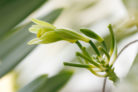
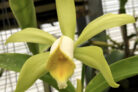
- Flowers: Grow in clusters (racemes) from the leaf axils
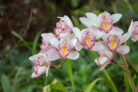
- Flower Colors: White, creamy yellow, or greenish-yellow
- Fruit: Long, slender seed pods (capsules)
- Maturation: Takes 8 to 9 months after pollination
- Seeds: Contains countless tiny, shiny black seeds
- Most Famous Species: *Vanilla planifolia* (Flat-leaved vanilla)
The Climbing Vine and Its Blooms
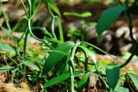
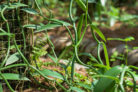
The Vanilla Orchid is a natural climber. At every leaf node, it produces an aerial root that acts like a tiny hand, allowing the plant to scale trees (or trellises!) for dozens of feet. If you provide the perfect tropical conditions, you’ll be rewarded with blooms that give off an incredible, aromatic scent.
One quick pro-tip: always wear gloves when you’re pruning your orchid. The plant sap is mildly toxic and can cause some pretty annoying skin irritation and itching. Better safe than sorry!
Hand-Pollinating the Flowers
Here’s where things get really interesting: Vanilla flowers are hermaphroditic, meaning they have both male and female parts. However, nature put a little membrane between them to prevent self-pollination. In the rainforests of Mexico, specific bees and hummingbirds handle the job. But if you’re growing vanilla at home and hoping for a harvest, you’ll have to play matchmaker yourself! You can do this by carefully using a thin, pointed toothpick to pollinate the blooms.
In fact, even on large-scale vanilla plantations where those specific bees aren’t found, workers have to hand-pollinate every single flower using a cactus spine or a needle from an orange tree. When you realize how much manual labor goes into every single bean, that high price tag at the grocery store starts to make a lot of sense!