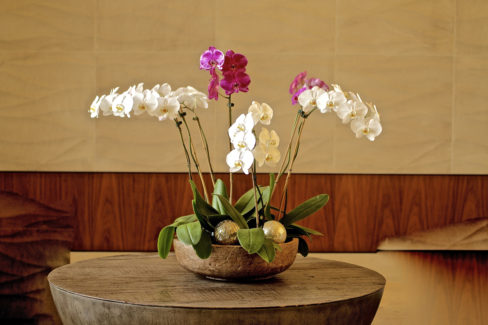
Orchids are easily some of the most popular ornamental plants out there. With their stunning blooms and incredible range of colors, they’ve earned a permanent spot in our homes. If you’re looking to get to know these beauties a little better, I’ve put together a quick cheat sheet with everything you need to know about this favorite houseplant.
Quick Facts & Key Features
Here’s a snapshot of what makes these plants so unique:
- Orchids belong to their very own plant family, known as Orchidaceae.
- Talk about variety! There are over 1,000 genera and more than 30,000 different species worldwide, not to mention countless hybrids.
- Most orchids originally hail from tropical rainforests.
- In the wild, many orchids are “epiphytes,” meaning they grow perched on trees or rocks rather than in the dirt. However, some species are terrestrial and grow right in the ground.
- They come in all sizes—from tiny plants just a few millimeters tall to giants that reach several meters.
- Orchids use rhizomes, bulbs, and pseudobulbs as storage organs to keep nutrients on hand.
- Their green leaves are usually leathery or fleshy with smooth edges.
- Depending on the species and how well you pamper them, the blooming period can last anywhere from a single day to several months.
- Orchid flowers are incredibly diverse in shape, color, and size. Some blooms can even reach up to 12 inches (30 cm) across!
Orchids in the Wild
While we usually think of them as tropical, you can actually find wild orchids in places like Germany and other temperate regions. Some well-known European varieties include:
- Orchis (Finger-orchids),
- Helleborines,
- and Butterfly-orchids.
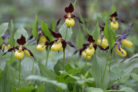
- There’s also the exotic Yellow Lady’s Slipper. It’s the only Cypripedium species that handles the Central European climate well.
The Secret Life of Orchid Seeds
Orchids do produce seeds for reproduction, but they have a quirky catch: the seeds don’t contain their own food supply (endosperm). To germinate, they rely on a fascinating partnership with a specific fungus. This “nurse fungus” penetrates the tiny seeds and provides the nutrients necessary for them to sprout and grow. That’s how orchids multiply in the wild!
Look, But Don’t Touch: Orchids are Protected
It’s important to remember that wild orchids are protected by law. You should never pick them or try to dig them up to take home. Feel free to snap as many photos as you like of these exotic beauties, but leave them exactly where you found them. Taking them from the wild can actually result in some pretty hefty fines!