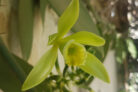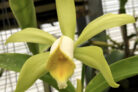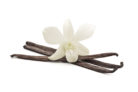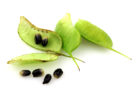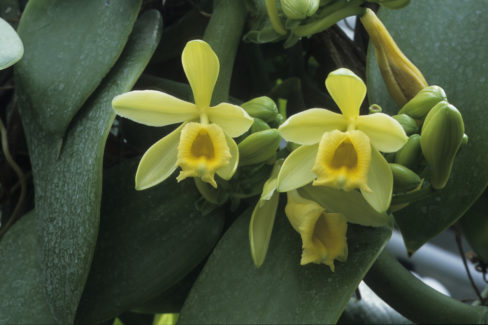
If you’ve managed to get your Vanilla orchid to bloom and—even better—successfully pollinated it so it produces fruit, give yourself a pat on the back! That is a serious gardening milestone. Those pods are packed with millions of tiny seeds, which leads to the big question: Is it actually worth trying to grow Vanilla orchids from seed?
Why Vanilla seeds are so tricky to grow
Here’s the thing: Orchid seeds are a bit high-maintenance. Unlike most garden seeds, they don’t come with their own “lunch box” (nutritional tissue) to feed the embryo during its first stage of life. That’s exactly why a single vanilla pod contains up to a million seeds—it’s nature’s way of playing the odds because so many of them won’t make it.
In the wild, these tiny embryos rely on a very specific partner to survive: a symbiotic fungus. This mycorrhizal fungus attaches to the seed and provides the nutrients it needs to kickstart growth. Without this fungus in your potting mix, germination is a total long shot.
On top of that, orchid seeds usually need a 100% sterile environment to sprout successfully. Because it’s so technical, most of us home gardeners skip the seeds entirely and choose to propagate using cuttings instead. It’s just way faster and more reliable.
How to give seed sowing your best shot
While it’s a challenge, growing from seed isn’t impossible—especially if you try “natural” sowing right next to the mother plant. The idea here is that the pot of the parent plant likely already contains the beneficial fungi the seeds need. If you want to try it, here’s your game plan:
- Scatter your fresh vanilla seeds directly onto the soil in the mother plant’s pot.
- Lightly dust them with a thin layer of peat-sand mix or vermiculite.
- Mist the soil gently using lime-free water (distilled or rainwater is best).
- Don’t be shy—sow plenty of seeds close together, since the failure rate is naturally high.
- Hold off on the fertilizer during this early stage.
If the right symbiotic fungus is present in the soil, you might see the first tiny sprouts popping up anywhere from six to 30 days later. Good luck!