In their natural tropical habitats, orchids are constantly hugged by high humidity. When we bring these exotic beauties into our homes, getting the watering right is the secret sauce to keeping them happy. Exactly how often you should water depends on a few different things, so let’s break it down.
Knowing When It’s Time to Water
When it comes to watering orchids, it’s not just about *how* you do it, but how often. The golden rule? Orchids hate “wet feet.” If they sit in standing water for too long, you’re looking at root rot, which can quickly spell the end for your plant.
On the flip side, you don’t want to leave the root ball bone-dry for weeks, either. The sweet spot is letting the roots dry out just a bit before the next drink. A great pro tip is to feel the substrate—if it’s dry to the touch, it’s time. You can also just lift the pot; if it feels surprisingly light, your orchid is likely thirsty.
It’s All About the Environment
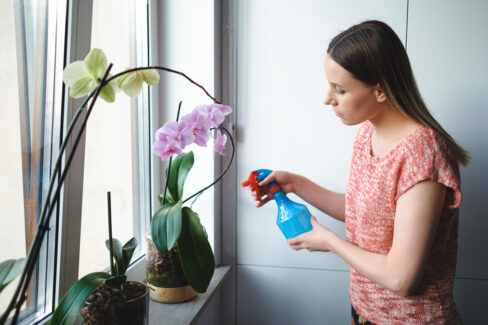
If you like to mist your orchid’s roots, you can do that several times a week (or even daily). However, for a full soak or “dunking” in a water bath, once every one to two weeks is usually plenty. Just keep in mind that these are general guidelines.
The “perfect” schedule for your orchid depends on:
- The specific orchid variety you have,
- Your home’s environment (think temperature, sunlight, and humidity),
- The type of potting mix or setup you’re using,
- And, of course, the season.
Keep That Humidity Up
If you can maintain high humidity around your plants, they’ll actually do some of the work themselves by absorbing moisture through their leaves and aerial roots. Try placing water trays nearby or move your orchids into a bright bathroom where they can soak up the steam from your shower.
Winter Watering Rules
During their winter dormancy, these tropical plants need a lot less water than they do during their active growth and blooming phases. The same goes for fertilizer—scale it back during the colder months.
Signs Your Orchid is Thirsty
You should reach for the watering can as soon as the substrate or roots have dried out. Your orchid’s leaves are actually great communicators. If those normally firm, fleshy green leaves start looking limp, floppy, or wrinkled, your orchid is parched and needs a good, thorough soak immediately.