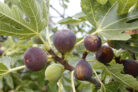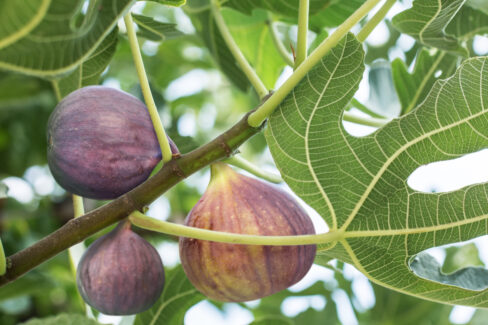
Fig trees originally hail from the sunny Mediterranean and parts of Asia, so it’s no surprise they have a major crush on warm weather. But here’s the thing: even though they love the heat, they’re actually pretty thirsty plants that need a steady supply of water to really thrive.
Watch Out for Soggy Feet
Figs prefer their soil to be consistently moist, but not soaking wet. While a mature fig tree is pretty forgiving—it won’t hold a grudge if you miss a watering while you’re away on vacation—you’ll get the best harvest if you keep things regular.
If you let them get too dry for too long, you might notice your fig tree dropping its leaves or producing tiny, shriveled fruit. Water is also the “delivery truck” for nutrients; it dissolves the goodness in the soil so the roots can actually soak it up.
Use Room-Temperature Water
Think of it like this: you wouldn’t want to jump into a freezing cold shower on a hot day, and neither does your fig tree! Plants from warmer climates can get a bit of a shock from ice-cold tap water.
The easiest fix? Just fill up your watering can and let it sit next to the tree for a while so it reaches the ambient temperature. It’s a simple trick that makes a big difference.
As for timing, aim for late morning or early evening. If you’re growing your fig in a pot, keep a close eye on it—containers dry out much faster due to evaporation, so you might even need to water twice a day during a heatwave.
Take it Easy in the Winter
Whether your tree is planted in the ground or you’re overwintering a potted fig indoors, you’ll want to scale back the watering during the winter months. It’s perfectly fine if the soil gets a little dry between drinks, but don’t let it turn into a desert—total dehydration is still a danger, especially for younger trees that haven’t established deep roots yet.
For outdoor trees, wait for a day when the ground isn’t frozen to give them a drink. A little-known secret in the gardening world is that many “exotic” plants don’t actually die from the cold in winter; they actually die of thirst because they can’t pull water from frozen soil.
Once March rolls around and spring is in the air, you can get back to your regular watering routine. This is also the perfect time to repot your container figs and start your fertilizing schedule for the season!