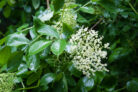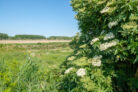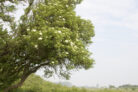
To keep your elderberry bush pumping out those sweet-smelling flower clusters and juicy berries year after year, you’ve got to give it a little fuel. These plants are hungry! By getting the nutrients right, you’re not just ensuring a massive harvest; you’re also making sure your shrub stays the star of your garden. Here is the lowdown on how to fertilize your elderberry like a pro.
Elderberries Love Their Nitrogen
If you want a happy elderberry, you need to think about nitrogen. It’s the secret sauce for all those blossoms and berries. Here is a simple game plan for feeding your plant:
- When you first plant it, mix some horn meal (or bone meal) and organic compost right into the soil you dug out.
- Pro tip: Line the planting hole with a layer of fresh nettle leaves before putting the shrub in.
- Every spring, give it a fresh boost with compost, well-rotted manure, or guano.
- Throughout the growing season, keep the momentum going with a nitrogen-rich liquid fertilizer, like homemade stinging nettle tea.
If you prefer using a store-bought organic berry fertilizer, aim for two applications: once in March or April, and again right after the flowers fade. Just a heads-up—stop the high-nitrogen feeding as soon as you see the tiny berries starting to form, as too much nitrogen at that stage can actually be tough on the fruit.
A Few Tips for Success
One thing to keep in mind is that elderberries are shallow-rooted. This is super important because you want to avoid digging or raking compost deep into the soil, especially while the plant is young, as you might damage the roots. Just spread your soil amendments lightly on the surface.
When you fertilize, make sure you cover the entire “drip line” (the area directly under the outer branches). Also, never apply fertilizer to bone-dry soil. Give your elderberry a good drink of water first, apply the fertilizer, and then water it again. This helps the nutrients soak down to the roots where they’re needed most.