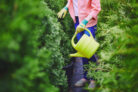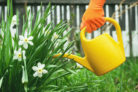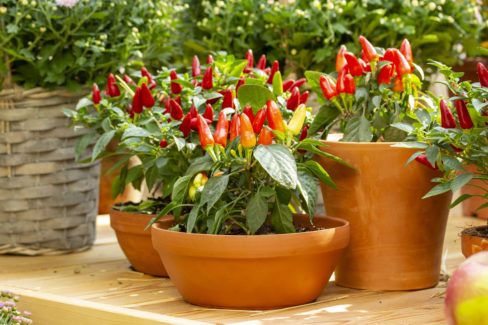
One of the most common reasons chili plants struggle is simply not getting enough water. Despite what many people think, chilis aren’t desert plants—even though they love the heat! If you want a massive harvest of spicy peppers, getting your watering routine right is key.
Watch the Temperature
In the heat of the summer, it’s tempting to just grab the garden hose and spray everything down. But think about it: have you ever been blasted by a cold shower when you weren’t expecting it? It’s a shock! Your plants feel the same way. Chilis much prefer “tempered” water. Rainwater from a barrel is perfect because it naturally matches the outdoor temperature. Pro tip: Store your water in smaller containers rather than one massive 100-gallon drum; the water warms up much faster that way. Ideally, you want the water to be at least lukewarm before it hits the soil.
Getting the Amount Right
Every plant is a little different, so there’s no “one size fits all” amount. If you’re growing in pots, a good rule of thumb is to watch the saucer. If water starts pooling at the bottom, you’ve given them plenty. If you accidentally overdo it, wait about 30 minutes for the soil to soak up what it needs, then dump out the excess from the saucer. Standing water is just as bad as drought when it comes to healthy plant growth.
How Often Should You Water?
Frequency depends on a lot of things—like if you’re using a greenhouse or if you’re in the middle of a summer heatwave. Sometimes, you might even need to water a couple of times a day. The easiest way to tell if your peppers are thirsty is the “finger test.” This works for raised beds, greenhouses, and traditional gardens alike.
Just stick your finger into the soil near the plant. Keep in mind that the roots aren’t just right at the stem; depending on the size of the plant, they can spread out 4 to 12 inches. If the soil feels moist at your fingertip, you’re good for now. If it feels dry, it’s time for a drink. When watering in the ground, aim for a “deep soak”—you want the water to get down to the roots without leaving the plant sitting in a swamp.
Feeding While You Water
Chilis are “heavy feeders,” meaning they need a lot of nutrients, especially once they start producing fruit. That’s the signal to start fertilizing your plants regularly. While good soil is a great start, plants really benefit from liquid nutrients they can absorb instantly through their roots. Aim to fertilize about every two to three weeks by mixing a bit of liquid vegetable fertilizer right into your watering can.