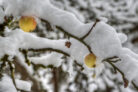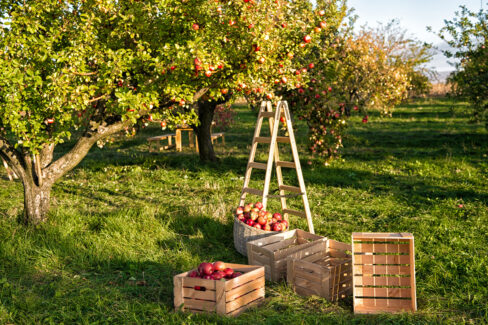
Starting in September, we get to enjoy those golden autumn rays, the changing leaves, and of course, those delicious fall apples. But there’s more to do in the garden than just soak up the views! Here’s a look at what you should be tackling in your orchard during the fall months.
Harvesting Your Fall Apples
Fall varieties like Gravenstein or Cox Orange Pippin are usually ready to be harvested and enjoyed by late October. That said, the flavor often gets even better if you let them ripen for a bit after picking. Since apples on the same tree don’t all ripen at once, it’s a good idea to harvest in stages. The more sun an apple gets, the faster it matures and colors up. If you’re planning on storing them, try to pick them just before they are fully ripe. A quick pro-tip: your apples are ready to pick when the stem easily detaches from the branch with a simple “lift and twist” motion.
The Best Time to Plant Apple Trees
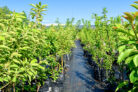
Fall is actually the prime planting season for apple trees. When you plant in autumn, the tree can focus immediately on establishing new roots. You can get your apple tree in the ground starting in mid-October—just make sure to pick a day when the ground isn’t frozen. Technically, you can keep planting right into winter as long as the soil stays workable. I recommend planting in the evening to keep those sensitive roots from drying out. (Note: If you bought a container-grown tree, you can actually plant those year-round!)
Don’t Forget a Pollination Partner
To get the best pollination and a bumper crop, most trees need a “buddy” nearby. For a Gravenstein, for example, a Winter Gold Pearmain makes an excellent pollination partner.
Pruning Your Apple Tree in the Fall
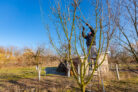
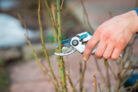
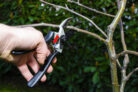
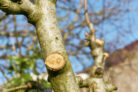
While fall isn’t typically the main time for a heavy prune, you can definitely do some maintenance. It’s a great time to fix any mistakes from your spring or summer pruning or to start rejuvenating an older tree.
Here’s your fall pruning checklist:
- Remove any diseased or dead branches, as well as any “mummies” (those shriveled, moldy fruits left on the tree).
- Cut back those “water sprouts” (the thin, vertical shoots) that popped up over the summer.
- Thin out the canopy. If it’s too dense, air can’t circulate, which is an open invitation for pests and diseases.
Just keep in mind that heavy pruning in the fall can trigger a lot of vigorous new growth come spring!
Other Fall Garden Chores
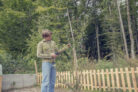
- Large, newly planted trees should be staked and secured so they don’t get whipped around by winter winds while they’re trying to take root.
- For storage, apples like it cool (around 40°F) with high humidity. Make sure to vent your storage area occasionally to prevent rot.
- If you have apple trees in pots or containers, get them winterized before the first hard frost hits.
- Apply a lime wash to the trunks before winter sets in.
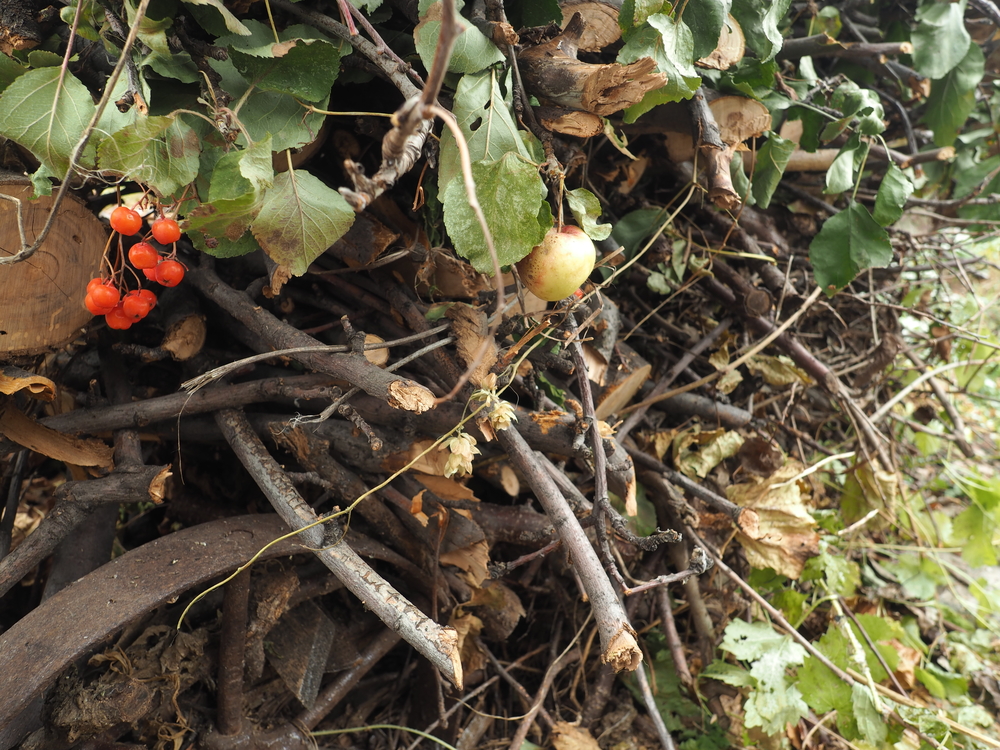
- Rake up and dispose of any fallen leaves that show signs of fungus or disease to keep your garden healthy for next year.