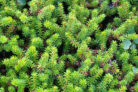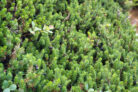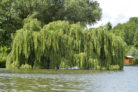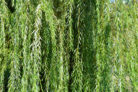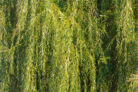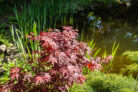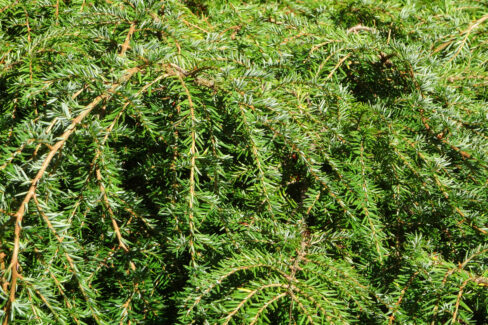
There are quite a few varieties of Hemlock out there, but the Weeping Hemlock is a real standout. As the name suggests, its branches gracefully drape toward the ground, giving it a unique, romantic look. If you’re curious about what makes this evergreen tick and how to keep it happy in your yard, here’s everything you need to know.
A Stunning Addition to Your Landscape
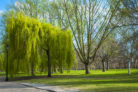
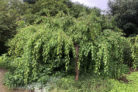
The Weeping Hemlock is famous for its countless cascading branches that reach for the soil. The result is a rustic, elegant vibe that looks great in a large park or a cozy backyard. You can let it shine as a standalone specimen tree or even plant a Hemlock hedge. Since it’s an evergreen, it provides a lush, densely branched privacy screen that stays green all year long.
In the right conditions, these trees can reach up to 30 feet tall. Because of that weeping habit, they also get pretty wide—sometimes spreading out over six feet. The good news is that they handle pruning really well, so you can easily manage the size. As long as you follow a few basic rules, you can keep it exactly the size and shape you want.
Caring for Your Weeping Hemlock
The secret to a happy Hemlock is all about location. These members of the pine family love a sheltered spot with plenty of soil moisture. They actually do great planted near a stream or a pond! When it comes to soil, they prefer a humus-rich mix that is low in lime. If your soil needs a little boost, use a fertilizer that slightly lowers the pH to create that acidic environment they crave.
Pro tips for pruning:
- Always use sharp, clean tools to prevent damage or disease.
- Trim your tree in the spring before the new growth kicks in.
- Give it a little fertilizer at the same time to fuel that spring growth.
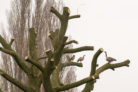
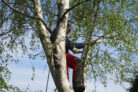
When you go to prune your Hemlock, stick to the new growth from the previous year. Try to avoid cutting back into old wood; branches older than four years don’t sprout back very quickly once cut. You can also trim the “leader” (the top tip) if you want to control the height, but just a heads-up: doing this usually causes the tree to grow multiple tops!