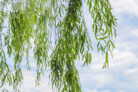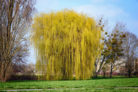
Even the perfect sunny spot won’t save your weeping willow if a fungus decides to move in. Even if you only spot a tiny patch of infection, you’ve got to act fast. If you don’t, that fungus will keep eating away at your tree until the whole thing is a goner. Here’s how to keep your willow happy and healthy.
Dealing with Fungus on Your Weeping Willow
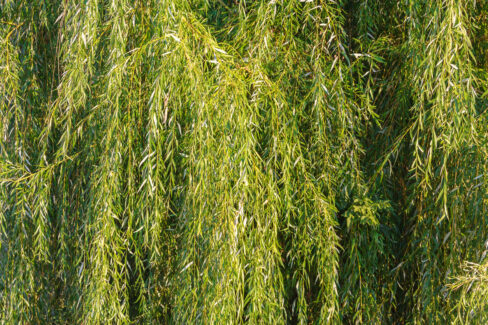
With those long, sweeping branches and lush foliage, the weeping willow is a magnet for more than just beneficial insects. Uninvited guests like fungal colonies occasionally drop by for a visit, living as parasites on your tree. If you don’t handle these diseases correctly, your willow will face a slow decline. Definitely not what we want!
How to Spot Melampsora salicina (Willow Rust)
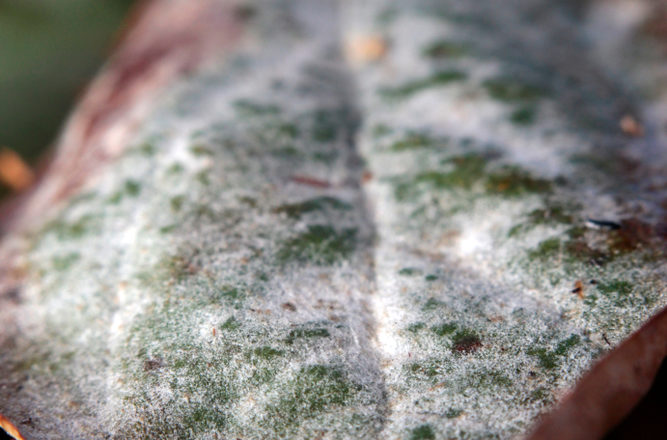
When it comes to weeping willows, there are two main fungal culprits you’ll likely run into: *Marssonina salicicola* and *Melampsora salicina*. The latter causes a type of rust. You’ll recognize it by the signature yellow spores hanging out on the undersides of the leaves. After a while, these turn into yellow spots on the top side, eventually browning and causing the leaves to wither away.
How to Spot Marssonina salicicola (Anthracnose)
This fungus is a bit more aggressive, attacking the leaves, flowers, shoots, and even entire branches. You’ll know it’s there when you see tiny, millimeter-sized dead spots on the leaves. Soon after, the foliage starts looking stunted or deformed, and the tree will start dropping its leaves way too early. You might also see scab-like lesions on the shoots, and the tips of the branches will start to look brittle and dry. Besides these two, your tree might also deal with things like bracket fungi or sulfur polypores. In almost every case, the red flag is the same: the leaves slowly dying off.
How to Fight Back Against Fungus
Here is your step-by-step game plan:
- Prune away infected branches completely to physically remove the fungus from the tree.
- Thin out the canopy with some strategic pruning to get better airflow through the leaves.
- Dispose of all removed leaves and branches properly.
If you see a fungal infection starting, don’t wait—jump into action with the steps above. A quick pro-tip: either burn the infected debris or seal it up in yard waste bags for professional pickup. Whatever you do, don’t toss it on your compost pile! If you do, the fungus could end up spreading all over your garden, and nobody wants that.