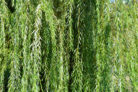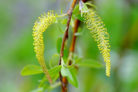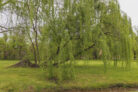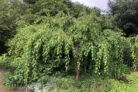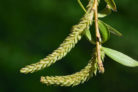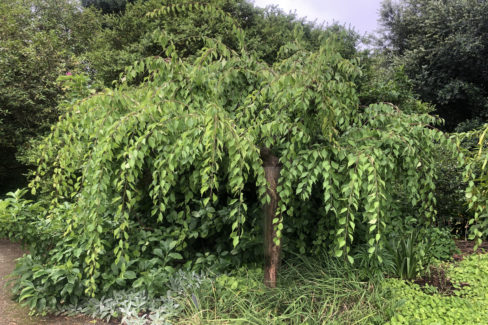
We usually picture weeping willows gracing the edges of a lake in a big public park. With their sweeping, arched branches and lush foliage, they definitely bring a romantic, dreamy vibe to any landscape. But here’s a secret: you don’t need a massive estate to grow one! You can actually keep these beauties quite compact with the right techniques.
Here are a few ways you can manage their size:
- Training them as a pollard (pollarding)
- Growing them in containers
- Cultivating them as a bonsai
The Art of Pollarding
The classic weeping willow, or Salix babylonica, is a fast grower—and I mean *fast*. The good news for us gardeners is that this means the tree handles radical pruning like a champ. Even if you cut it back to just a few main “stumps” on the trunk, it’ll explode with fresh new growth come springtime. Just make sure your willow is in a sunny spot with plenty of moisture in the soil to fuel that comeback.
Back in the day, willow branches were a hot commodity for weaving baskets and other crafts. To get a steady supply of flexible young wood, gardeners would cut the trees back heavily, leaving a thick trunk with short, club-like branches at the top. This look is known as a “pollard” willow. It’s a fantastic way to keep the tree’s height and spread under control while giving it a unique, architectural look.
Growing Weeping Willows in Pots
If you’re short on yard space, you can actually grow a weeping willow in a container. Start with a young tree and prune the main trunk to your desired height. You’ll want to shape the branches and thin out the canopy regularly so it doesn’t get too heavy or crowded. Because the roots are restricted by the pot and you’re keeping the top trimmed, the tree stays naturally smaller. It’s a perfect way to bring some willow charm to your patio or balcony!
The Perfect Candidate for Bonsai
If you want to go really small—and really artistic—try your hand at a willow bonsai. Weeping willows are actually ideal for this! Their natural “weeping” habit and long, flexible branches make them incredibly fun to shape. It’s a radical way to cultivate a willow, but the result is a stunning, miniature version of nature that offers endless creative possibilities for your home or garden.