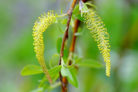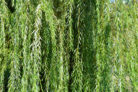
Pruning your weeping willow is the secret to keeping it healthy and looking exactly how you want it. Whether you’re going for that classic sweeping look or keeping a smaller version in check, knowing how to handle the shears is key. Here’s the lowdown on how to prune your willow so it stays a backyard favorite for years to come.
Which Weeping Willows Can You Prune?
- Pruning full-sized willows in the garden
- Shaping potted willows
- Trimming willow bonsais
Pruning Full-Sized Garden Willows
When it comes to pruning a weeping willow, don’t be shy! These trees are incredibly vigorous growers. Even if you go a little overboard, they have an amazing ability to bounce back. If you’ve ever seen a “pollarded” willow (where the branches are cut back to thick stumps), you’ve seen that survival instinct in action.
Historically, people didn’t pollard willows just for the look; they did it to harvest the long, flexible shoots for basket weaving. Even after being cut back to almost nothing, the crown explodes with new growth every spring.
Step-by-Step Pruning
Even if you want your willow to grow naturally, a regular trim is a good idea. Without it, the tree can get way too wide over the years. This creates a “sail effect” during storms and puts a lot of heavy strain on the outer branches.
- Give the tree a heavy prune before winter sets in.
- Always remove dead or brittle twigs right at the trunk.
- Thin out the crown, especially where branches are crossing or rubbing against each other.
- Once the frost has passed in early spring, do a final “shape up” trim.
Shaping Potted Willows
Yes, you can actually grow weeping willows in containers! The trick is regular pruning so they don’t outgrow their space. You’ll follow the same basic rules as garden trees, but with a focus on height control. Thin out the crown to keep it looking airy and to prevent the trunk from getting top-heavy. You’ll also want to trim the weeping trailers so their length looks proportional to the height of the trunk.
With potted willows, keep an eye on the roots during the first few years. You generally don’t want to prune these thick, vigorous roots. If the tree starts getting root-bound, it’s time to move it to a larger pot rather than cutting the roots back.
Trimming a Weeping Willow Bonsai
If you’re growing a willow bonsai, you’ll need to be diligent about trimming both the top and the roots. March and May are the best times for this. Start by cutting the trunk to your desired height, then prune the branches back significantly to establish the shape. You can use wire to train the trunk and branches into that perfect “weeping” silhouette.
Unlike larger potted willows, you *will* need to prune the roots of a bonsai to keep it in its small tray. Just be careful: always leave the main root ball and several inches of the thicker structural roots intact so the tree stays healthy.