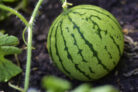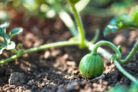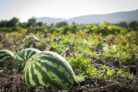
Growing your own watermelons is surprisingly easy, though you’ll need a little patience—it can take up to 20 weeks from seed to that first juicy slice. If you’re eager to get snacking, there are a few pro tips you can use to speed up the harvest.
Starting Your Seeds
You’ll want to get your watermelon seeds started in early spring. Aim to have them in the soil by early April at the latest.
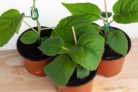
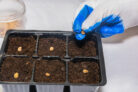
Watermelons are part of the cucurbit family, and if there’s one thing these plants hate, it’s having their roots messed with. To keep them happy, sow your seeds directly into pots filled with nutrient-rich potting soil where they can stay until it’s time to move outdoors. If you’re short on space or just want to kickstart the process, try pre-sprouting your seeds.
Just tuck the seeds into a damp paper towel and pop them into an airtight container or a zip-top bag. You should see little root tips peeking out within a week or two. As soon as you see those roots, it’s time to get them into their pots.
Planting Out
Once you sow the seeds, those first leaves (the cotyledons) will pop up in just a few days. From that moment on, your babies need at least 12 hours of full light a day; otherwise, they’ll get “leggy” and weak. Keep them in a bright spot that isn’t too hot—around 59°F (15°C) is the sweet spot until mid-May.
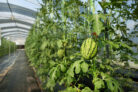
Once the danger of frost has passed in mid-May, they’re ready for the great outdoors. To get a head start on the season, give them some protection. Growing watermelons in a greenhouse is a fantastic option because it mimics their favorite tropical conditions. If you’re planting in the garden, try using a poly tunnel or row cover. This extra warmth is a lifesaver during that transition period from spring to the heat of summer.
Care and Maintenance
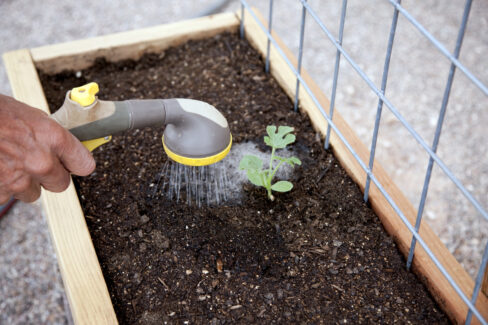
Watermelons aren’t high-maintenance, but there’s one common mistake people make: overwatering. Even though they’re related to pumpkins and squash, they don’t like “wet feet.” They actually prefer a drier climate. You really only need to step up the watering when the plant is flowering and setting fruit. Outside of that window, keep the watering moderate.
The real secret to big melons is nutrition. When you first plant them, mix some organic fertilizer, compost, or horn meal into the soil. Once the flowers start appearing, give them a boost with liquid fertilizer every two to three weeks to keep that growth spurt going strong.