Growing watermelons from seed is actually pretty straightforward, but there’s a catch: they take a lot longer to go from sprout to harvest than their cousins in the squash family. If you want a decent harvest before the first frost hits, I highly recommend starting your seeds indoors early.
Sprouting Your Seeds
Compared to pumpkins or zucchini, watermelon seeds can be a little slow to wake up. To give them a head start, you can pre-sprout them using the “paper towel method” in a warm spot.
How to pre-sprout:
- Get a paper towel nice and damp (but not dripping).
- Place the damp towel inside an airtight container or a zip-top plastic bag.
- Spread your seeds out between two layers of the damp paper towel.
- Seal the container or bag.
- Open it every two days to let in some fresh air.
- Keep a close eye on them for the first signs of roots.
As soon as you see that little white root tip poking out of the seed, it’s time to get them into soil immediately. While pre-sprouting is a great hack, keep in mind that watermelons—like most cucurbits—are “homebodies” and really hate having their roots messed with during transplanting.
Starting Seeds in Nutrient-Rich Soil
When you’re ready to plant your watermelons, go ahead and put them directly into nutrient-rich potting soil. This applies whether you pre-sprouted them or are planting dry seeds. By starting them in their own pots, you avoid the need for “pricking out” or multiple transplants, which keeps the roots happy.
Once they’re in the dirt, keep the soil consistently moist. They also need a cozy, warm spot to keep growing. As soon as those first seed leaves (cotyledons) pop up, your plants are going to crave light—we’re talking at least 12 hours of full sun.
If you’re starting early in the season, you’ll likely need a dedicated grow light to meet that requirement. Without enough light, watermelons get “leggy” (tall and weak). Unlike some other garden veggies, watermelons don’t really grow extra roots along their stems if you plant them deeper, so it’s best to get the light right from the start.
Caring for Your Plants
Watermelons originally hail from South Africa, which tells you a lot about what they like: dry heat and rich soil. They aren’t fans of “wet feet.” Too much moisture can actually lead to fewer melons and opens the door for nasty issues like powdery mildew.
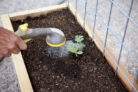
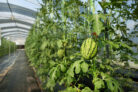
Until you’re ready to move them outside, water your seedlings sparingly. You can transplant them into the garden starting in mid-May (once the danger of frost has passed). They also do great in a greenhouse, provided it doesn’t get too humid. Give them plenty of space and keep the area weed-free. Bare soil warms up faster in the sun and dries out more efficiently, which keeps your melons happy and rot-free!