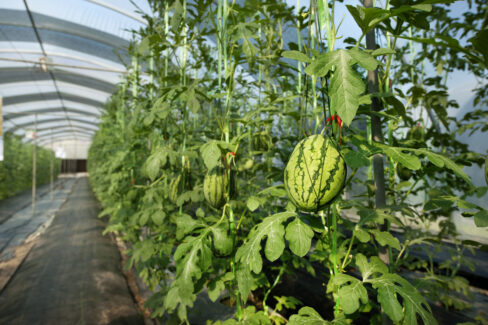
Watermelons are total sun-seekers and need a warm climate to really thrive. Since they take quite a while to go from seed to harvest, growing them in a greenhouse is a total game-changer—it effectively stretches out your growing season so those melons have plenty of time to sweeten up.
Starting Seeds Indoors in April
If you want to see a harvest this year, you’ll want to get a head start by sowing your seeds indoors by April at the latest. If you have a bright, cool spot to move them to after they sprout, you can even get going in March. Just keep in mind that once they pop up, those little seedlings need at least twelve hours of full daylight to stay strong.
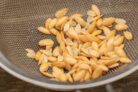
Watermelons can take a few days to germinate, but you can speed things up by pre-soaking them before you plant your watermelon seeds. A pro tip: just tuck them between two layers of damp paper towels and pop them into an airtight container.
As soon as you see that first little root tip peeking out, it’s time to get them into some soil. Use a nutrient-rich potting mix right from the start. Watermelons are a bit finicky about having their roots messed with, so you want to avoid frequent repotting. Any root damage can stunt their growth and push back your harvest date.
Transplanting in May
Originally hailing from the warm climates of South Africa, watermelons love nutrient-dense soil that isn’t constantly waterlogged. This actually makes growing watermelons in pots a great option, as it’s much easier to control the moisture levels.
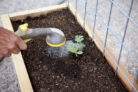
These plants are big fans of heat and absolutely hate frost. Because of that, you shouldn’t move them outside until May. If you’re using a greenhouse, you don’t have to wait for the “official” last frost date in mid-May; you can usually get them settled in during the first or second week of the month.
That said, keep an eye on the forecast! If a late freeze threatens, make sure your plants are protected. For a light frost, a garden fleece cover usually does the trick. But if you want to play it safe, waiting until mid-May—even for greenhouse planting—is never a bad idea.
Harvesting in Late Summer
Inside a greenhouse, you’ll want to keep the air on the drier side, which actually helps the melons develop a better, sweeter flavor. The only downside to that dry air is that spider mites might try to move in. If you spot any, just boost the humidity a bit, and they’ll usually clear out on their own.
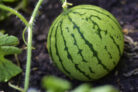
By late summer, you should be ready for your first harvest! The best way to tell if a watermelon is ripe? Give it a quick tap—if it sounds hollow, it’s ready to enjoy.