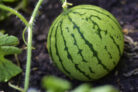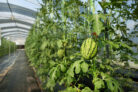
Believe it or not, watermelons actually need less water than their cousins in the gourd family. This makes them surprisingly great candidates for container gardening! If you’ve got a sunny balcony, you can easily grow your own—especially if you stick to the smaller, “personal-sized” varieties.
Sowing Your Seeds
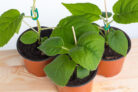
When you’re starting watermelon seeds, you can skip the weak seed-starting mix and go straight for the good stuff. A nutrient-rich veggie potting soil works perfectly. You’ll want to get a head start on the season, though, because watermelons are notoriously slow growers.
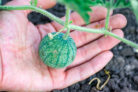
Germination can take up to a week, and it usually takes about three months from the time the first flower appears until you have a ripe fruit. If you’re dreaming of an early summer harvest, you should start your seeds indoors by early April at the latest. If you have a solid setup—meaning you can keep things around 60°F (15°C) after germination and provide 12 hours of grow lights—you can even start as early as March.
Once your seedlings have developed their first set of “true leaves” (the ones that appear after the initial seed leaves), they’re ready for their first transplant.
Transplanting Tips
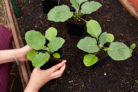
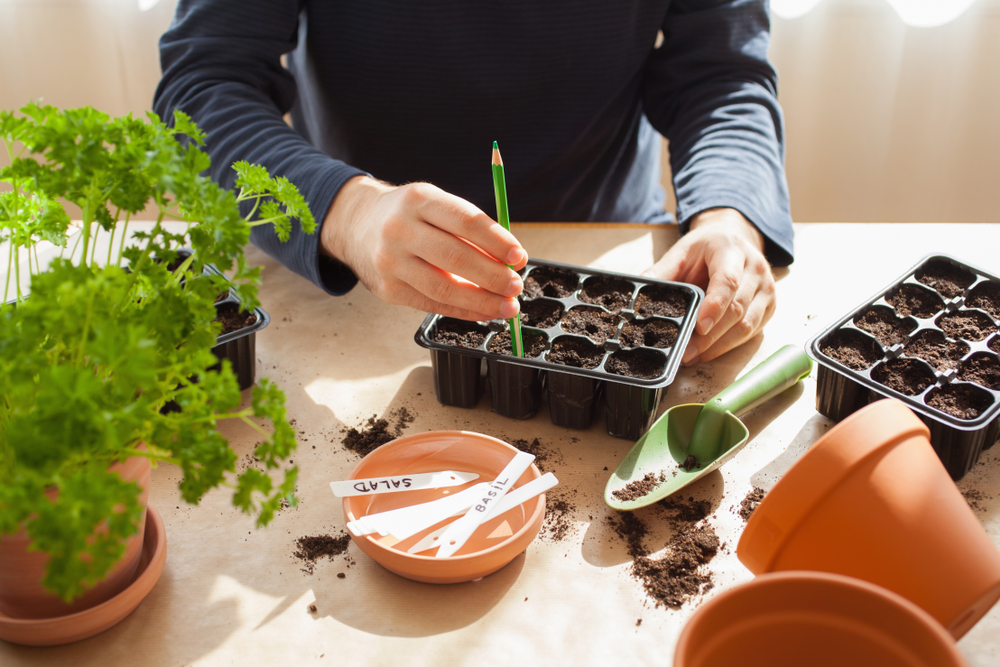
Like most melons and squashes, watermelons are a bit dramatic when it comes to their roots—they hate being disturbed, and any damage can really stunt their growth. To keep them happy, it’s best to plant your watermelon seeds individually in small starter pots right from the beginning.
This way, you don’t have to “prick out” or separate tiny seedlings. Instead, you can just gently move the whole root ball into a larger pot as they grow. If you’re growing them in containers, drainage is key. These plants actually prefer a drier, nutrient-dense environment.
Start by lining the bottom of your pot with some expanded clay pebbles or lava rock for drainage. Fill the rest with high-quality veggie soil, and feel free to mix in a slow-release fertilizer, like horn meal, to give them a steady boost.
Care and Maintenance
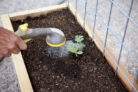
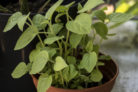
Watermelons are total sun-worshippers. A south-facing balcony or patio is the absolute best spot for your pots. Even though they are more drought-tolerant than other plants, you can’t just forget the watering can entirely. They need consistent moisture especially while they are flowering; otherwise, they might drop their blossoms before the fruit even has a chance to start.
Since they are heavy feeders, they’ll need plenty of fuel throughout the season. To keep them thriving, give them a dose of liquid fertilizer every two to three weeks.